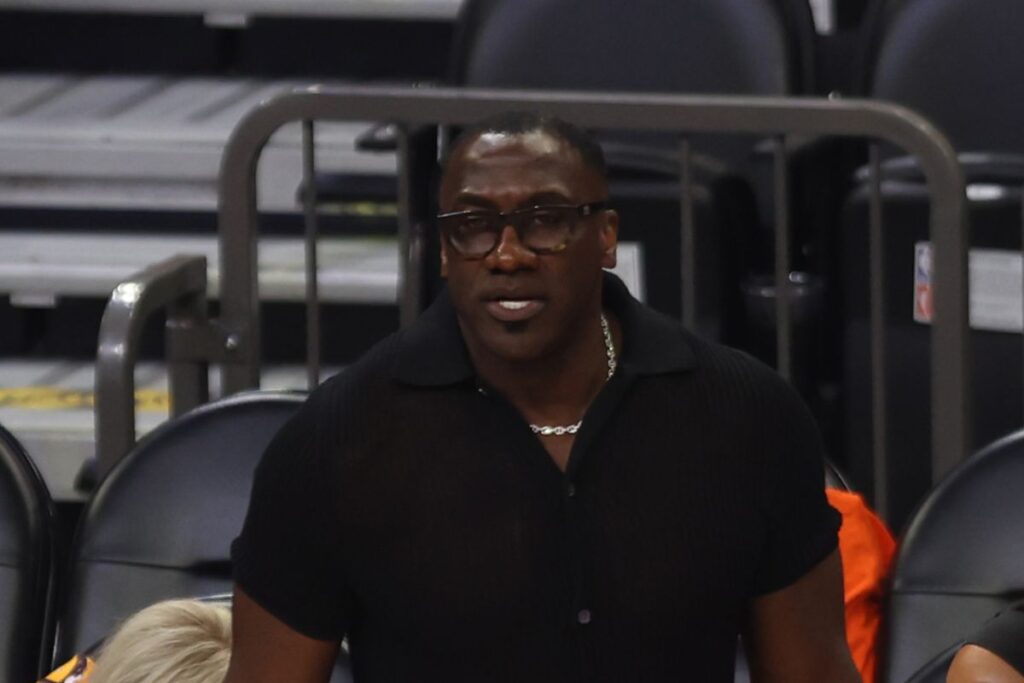
In the world of sports and entertainment, reputations are often built on the strength of words. Shannon Sharpe, the charismatic former NFL tight end turned sports analyst, is now facing some serious heat as Michele Evans, a woman from his past, has filed a defamation lawsuit against him. The controversy began when Sharpe’s camp suggested that Evans had a criminal history, specifically claiming she served time for attempted murder. These assertions, if proven false, could have far-reaching implications for both Sharpe’s reputation and Evans’ life, which she claims has been deeply affected by the allegations.
Michele Evans argues that the statements made by Sharpe’s team not only misrepresent her past but have also led to severe emotional distress. In her suit, she alleges that the fallout from these claims has left her suffering from agoraphobia, a condition that makes it difficult for her to leave her home. The weight of living under the shadow of such serious accusations has taken a toll on her mental health, igniting a spotlight on the consequences of public figures making unfounded claims. As she seeks justice, this legal battle could unveil the darker side of celebrity culture where reputations can be tarnished in an instant.
For many, Shannon Sharpe represents the epitome of success—transitioning from a celebrated football career to a prominent media presence. Yet, the incident serves as a reminder that even the brightest stars can cast long shadows. If Evans’ claims hold water, this could mark a significant turning point in how celebrities are held accountable for their words. The ripple effects of defamation can be monumental, impacting not just careers but the lives of those caught in the crossfire.
As the legal proceedings unfold, fans and followers will undoubtedly be watching closely. The intersection of sports, media, and justice raises important questions about accountability and the power dynamics that exist in celebrity culture. In a world where social media amplifies voices, the potential for misinformation to wreak havoc becomes all too clear. With Evans seeking redress for the damage she claims has been done, the outcome of this suit may serve as a crucial case study in the importance of responsible dialogue—especially for those in the public eye.
In the end, this developing story underscores the reality that with great power comes great responsibility. It’s not just about what we say, but how those words can impact the lives of others in profound and lasting ways. Whether Shannon Sharpe will address the allegations in a public forum remains to be seen, but one thing is certain: the conversation around respect and truth is more necessary now than ever.
About The Author