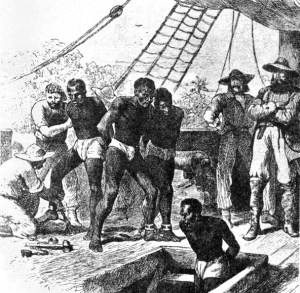
In a historic move that echoes through the corridors of power, the United Nations has officially recognized the transatlantic slave trade as “the gravest crime against humanity.” This landmark resolution underscores a painful chapter in human history, where millions of African people were ripped from their homes and subjected to unimaginable horrors. The call for this recognition came passionately from Ghana’s former President John Mahama, who rallied nations across the globe to confront the legacy of colonial exploitation and systemic racism that still reverberates today.
The resolution has been met with overwhelming support throughout Africa, signifying not just a political victory, but a long-overdue acknowledgment of the deep scars left by slavery. It’s a reminder that the impact of the transatlantic slave trade is not merely a historical footnote; it is a living reality that continues to shape the lives of countless individuals. With this declaration, the UN not only affirms the suffering endured by ancestors but also highlights the need for reparative justice and reconciliation in a world still grappling with racial inequality.
This recognition is a pivotal step in the global conversation regarding human rights and the enduring legacy of slavery. By classifying the slave trade as a crime against humanity, the UN is insisting that nations must confront their colonial pasts and engage in meaningful dialogue about reparative measures. It calls on governments and societies to acknowledge their roles in this dark history and take active steps towards redressing the injustices that have persisted for centuries.
As conversations around racial justice and historical accountability gain momentum, the UN’s resolution could serve as a catalyst for broader movements seeking justice and equity. It reminds us that while the past cannot be changed, recognizing it is crucial in paving the way for healing and progress. As we reflect on this historic acknowledgment, let it inspire us to continue the fight against racism, ignorance, and oppression in all forms. The journey toward justice remains ongoing, but with each step forward, we move closer to a future where humanity is truly valued and respected.
About The Author