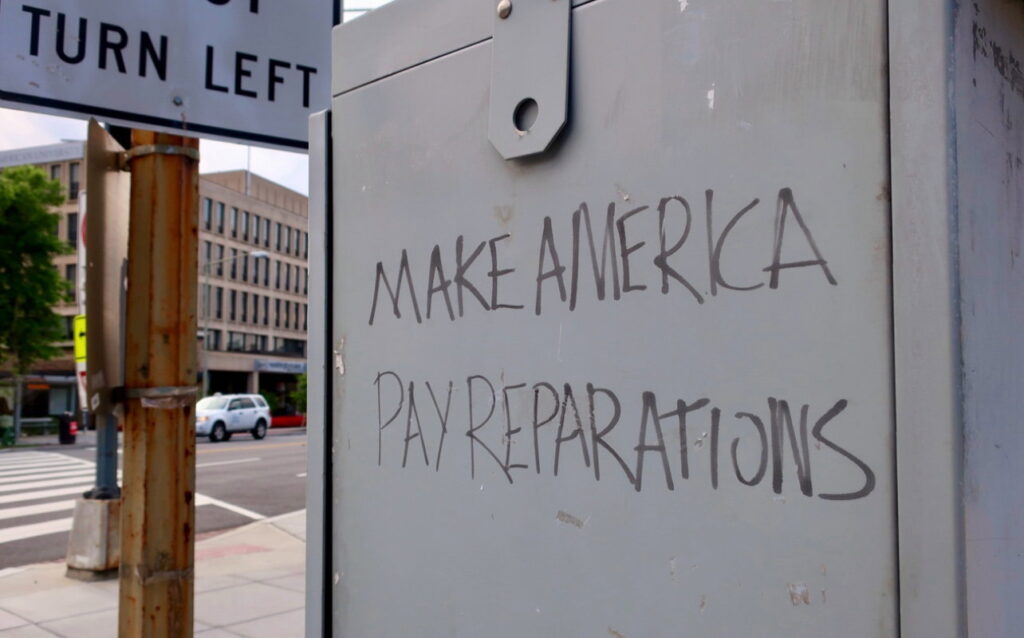
In a historic move that reverberates through the halls of justice and reconciliation, California Governor Gavin Newsom has signed a set of reparations bills aimed at addressing the deep-rooted injustices inflicted upon Black communities throughout the state’s history. This monumental decision comes after decades of advocacy, activism, and conversation surrounding the need for restitution and acknowledgment of the systemic racial inequalities that have persisted since the days of slavery. With this legislation, California is not only taking responsibility for its past but also laying a groundwork for a hopeful and equitable future.
At the core of these reforms is a formal apology for slavery, a powerful acknowledgment of the pain and suffering experienced by generations of Black Californians. Newsom articulated the importance of this moment, stating, “Building on decades of work, California is now taking another important step forward in recognizing the grave injustices of the past — and making amends for the harms caused.” His words encapsulate a sentiment long sought after by those who have tirelessly campaigned for reparations, demonstrating that the state is ready to confront its history head-on.
The signed bills outline a framework for reparations that includes the establishment of a task force to study and develop proposals for reparations. This task force will have the critical responsibility of determining the most effective ways to compensate descendants of enslaved people, ensuring that the reparations process is rooted in both equity and justice. This initiative not only signifies a significant policy shift but also serves as a recognition of the rich contributions of Black Americans to the fabric of California and the nation.
California’s commitment to reparations is more than a legislative achievement; it is a crucial step towards healing and reconciliation. By taking decisive action, the state sets a national precedent that could inspire similar measures across the country. As discussions on reparations gain momentum, California stands at the forefront of a movement that seeks to address historical grievances and build a more inclusive society, reminding us all that acknowledging our past is essential in forging a better and more equitable future.
About The Author