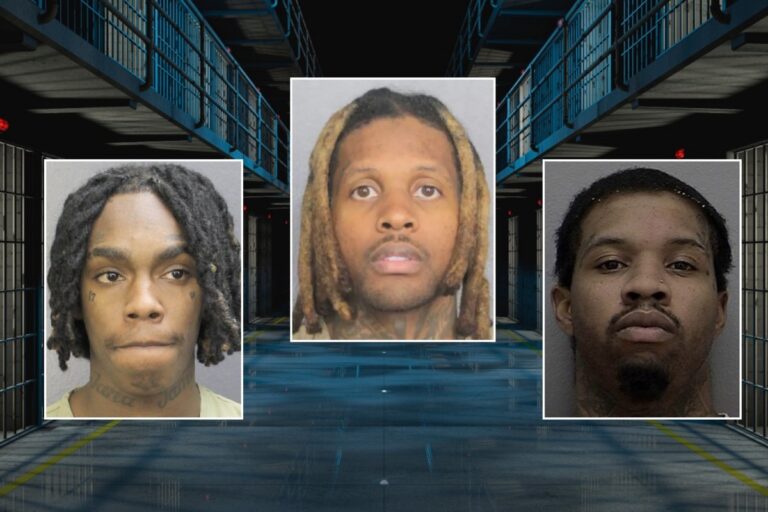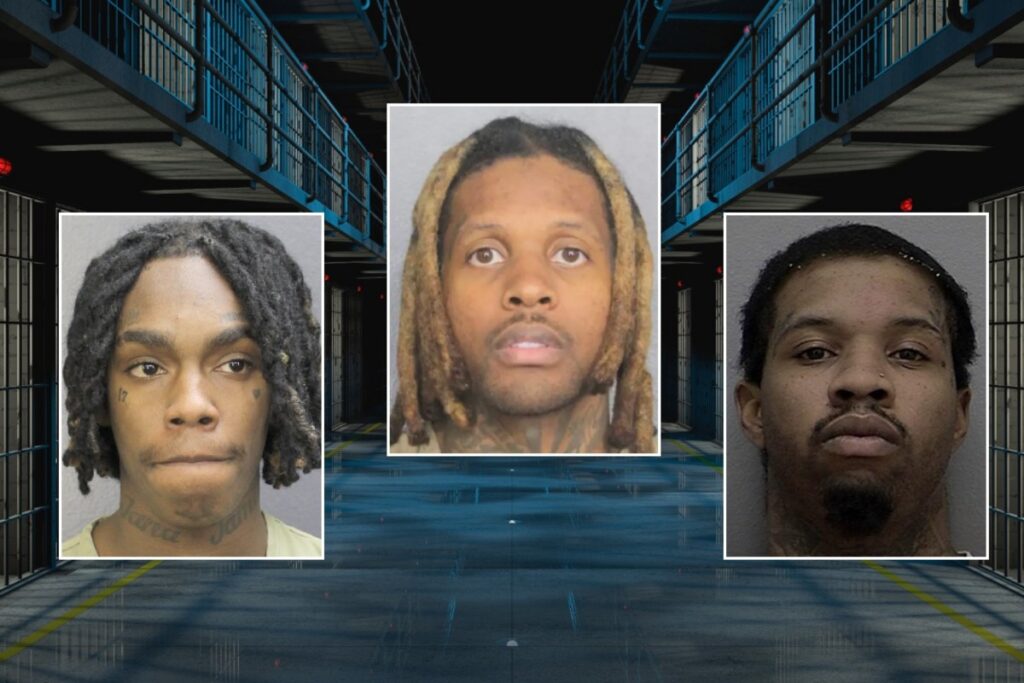
In the ever-evolving landscape of hip-hop, the journey of artists often mirrors the tumultuous realities of life, including the harsh consequences of legal troubles. As we reflect on the current state of the genre, it’s vital to consider the stories behind the headlines that feature 24 rappers currently incarcerated. From charges ranging from drug offenses to violent crimes, these artists found themselves on the wrong side of the law, often amidst the very environments they depict in their lyrics. It’s a stark reminder that while hip-hop serves as an escape and a voice for many, it can also ensnare its stars in a cycle of hardship and consequence.
The lives of these rappers are often complicated, shaped by a blend of talent and the streets they came from. Many of them rose to fame, only to be pulled back into the struggles of their past. The stark contrast between their success and their current circumstances illuminates the broader issues of systemic inequality and the challenges that many face within these environments. For instance, legal issues can stem from a culture deeply rooted in survival, where desperation sometimes leads to decisions that have severe repercussions. This duality is what makes their stories both compelling and heartbreaking.
Moreover, the impact of incarceration extends beyond the individual—ripple effects can be felt throughout communities and the music industry itself. Fans are left grappling with the reality that their favorite artists may not only be physically absent but are also unable to contribute to the culture that thrives on their creativity and authenticity. The conversations surrounding their legal battles spark discussions about criminal justice reform and the need for support systems that can help young artists navigate the perilous waters of fame and fortune without losing themselves.
As we delve into the lives of these 24 rappers, it’s essential to approach these stories with empathy and understanding. Each case is a piece of a larger puzzle reflecting societal issues like poverty, racism, and a criminal justice system that often fails those it claims to protect. While we celebrate their artistry and the ways they’ve shaped hip-hop culture, we must also acknowledge the complexities of their circumstances and advocate for change that can prevent future generations from facing the same fates. Ultimately, these artists remind us that beneath the glamour of the music industry lies a reality that is all too often overshadowed by headlines and stereotypes.
In a culture that prides itself on storytelling, the narratives of those in prison deserve to be told with nuance and care, ensuring that we recognize the humanity behind the artist. Hip-hop continues to thrive as a platform for self-expression, but we must not forget the price that some pay for their art. While we support those who are incarcerated, we must also push for a dialogue that fosters understanding and encourages a brighter future for the next wave of hip-hop talent.
About The Author