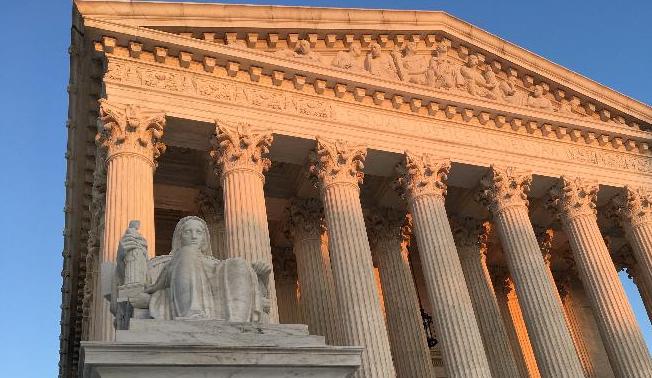
In a moment that echoes the struggles of generations before us, the Supreme Court’s recent 6-3 ruling has severely curtailed the legal avenues available for Black and Latino voters to challenge discriminatory voting maps. This decision sends a clear message: the path to equitable representation has become even more treacherous. As Chief Justice John Roberts continues to steer the Court towards a more conservative approach, we cannot ignore the historical context in which such rulings occur. The implications of this latest decision are especially profound for communities of color, who have long faced systemic obstacles in exercising their voting rights.
While many hoped the Court would reinforce protections against gerrymandering and ensure that minority voices are not silenced, the reality is far grimmer. The ruling reflects a troubling trend in American jurisprudence, where the rights of marginalized communities are often sacrificed at the altar of political expediency. With discriminatory practices gaining traction, it feels as though the hard-fought battles for civil rights are being undermined by an institution that should be safeguarding them.
The history of voting rights in this country is one of resilience, yet this ruling is a stark reminder of how fragile those rights can be. Activists and community leaders are now faced with the daunting task of mobilizing against a backdrop of increasing legal challenges and institutional apathy. The fight for equitable representation is far from over, but the uphill battle has just become steeper.
As we reflect on this decision, it’s vital to remember that our voices matter, and collective action can spur change. Building coalitions, educating our communities about their rights, and harnessing the power of our votes are more crucial now than ever. The barriers may be rising, but so too must our resolve to ensure that every citizen has an equal opportunity to participate in the democratic process. The future of our democracy depends on it.
About The Author