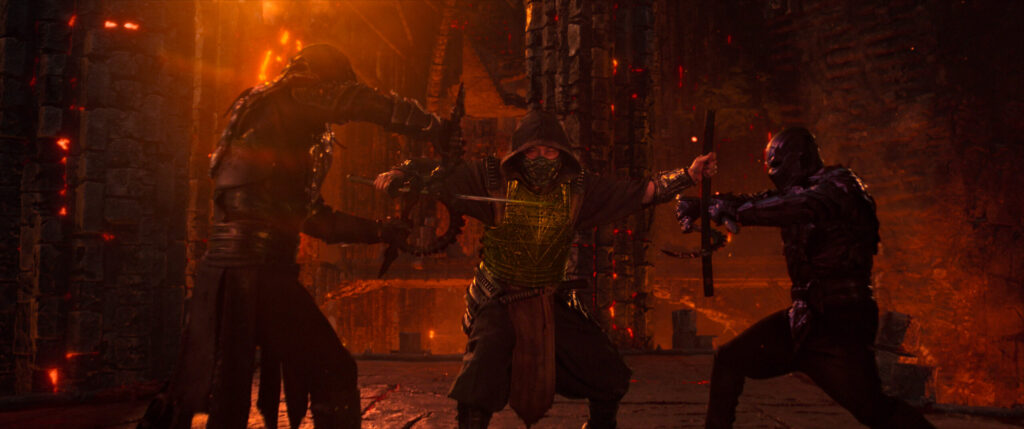
In a franchise built on bone-snapping finishes and iconic rivalries, ‘Mortal Kombat II’ is doubling down on something audiences don’t always consciously register but absolutely feel: the art of fight choreography as storytelling. For fans, the expectation is brutality. They anticipate the visceral thrill of combat and the excitement of finishing moves that leave jaws on the floor. Yet, what makes these fights linger in our minds isn’t just the impact or the gore. It’s the intention behind each strike, each dodge, and each calculated move that elevates the sequences into something transcendent.
The fight choreography in ‘Mortal Kombat II’ isn’t merely about showcasing athleticism or martial prowess; it’s a vehicle for character development and narrative progression. Each character’s fighting style reflects their personality, their history, and their motivations. Take, for example, the fierce rivalry between Scorpion and Sub-Zero. Their battles are not just brutal brawls; they echo their tragic backstories. The choreography becomes a visual representation of their conflict, adding depth to encounters that could easily devolve into mindless violence.
Moreover, the director and choreographers have infused cultural elements into the combat sequences, enriching the experience for audiences who appreciate the nuances of martial arts beyond the screen. This attention to detail transforms standard fight scenes into an art form, where every kick and punch serves a purpose. It’s a nod to the diverse influences that inform the franchise and a celebration of the artistry involved in creating something that resonates with so many.
As we watch these fights unfold, we’re reminded that every punch thrown and every kick landed carries weight. The choreography in ‘Mortal Kombat II’ encapsulates a broader narrative about struggle, survival, and resolution. It successfully draws us into the characters’ worlds, inviting us to experience their triumphs and tragedies. In the end, the fight sequences don’t just entertain; they tell a story that lingers well beyond the credits. And isn’t that what true artistry is all about?
About The Author