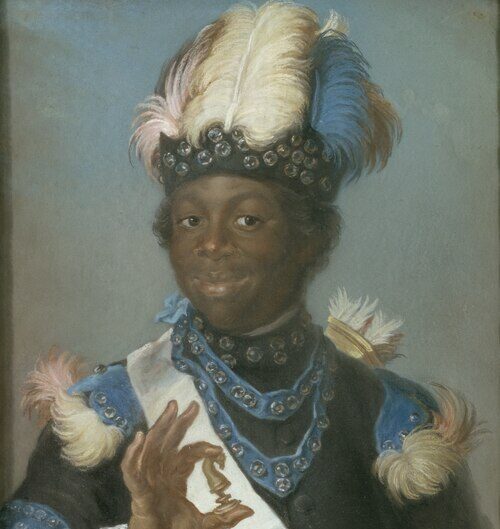
In a groundbreaking move for cultural recognition, the National Museum in Stockholm is set to unveil an exhibit dedicated to the life and writings of Adolf Ludvig Gustav Fredrik Albrecht Couschi, affectionately known as Badin. This extraordinary figure, an 18th-century Black diarist, navigated a world rife with colonial complexities and societal constraints in Sweden, a country often overlooked in discussions about Black history. The exhibit promises not only to shine a light on Couschi’s contributions but also to explore the depths of his character through the very words he left behind.
Couschi, originally brought to Sweden as a slave, would go on to carve out a space in Swedish society that was both remarkable and tragic. His diaries reveal a unique perspective on the intricacies of race, identity, and the human experience during a time when such narratives were largely silenced. Through his writings, Couschi grapples with his status, simultaneously navigating the life of a servant while asserting his existence in a society that often marginalized him. The exhibit aims to reclaim these stories, giving voice to a man whose thoughts and feelings have resonated through centuries, echoing the struggles and triumphs of Black individuals everywhere.
What makes this exhibit particularly poignant is its commitment to authenticity. By allowing Couschi to speak for himself, the museum invites visitors to engage directly with the lived experiences of an individual who defied the constraints placed upon him. The exhibit will feature not only excerpts from his diaries but also contextual information that situates his life within the broader narrative of Black history in Europe. This holistic approach allows for a richer understanding of Couschi’s relevance—not just in Sweden, but globally.
As this exhibit takes shape, it provokes important conversations about representation in historical narratives. It challenges the notion that Black stories are confined to specific geographical or cultural contexts, asserting that figures like Couschi are integral to our collective human story. In reclaiming his legacy, the National Museum is not only honoring Couschi’s life but also encouraging us to reflect on the complexities of our own identities in a world that often seeks to simplify them. This is not just an exhibit; it’s a vital step towards acknowledging and celebrating the multifaceted experiences of Black individuals who have shaped history in countless yet often unsung ways.
About The Author