In a stunning display of deflection and self-preservation, former President Donald Trump recently found himself embroiled in yet another controversy surrounding a critical situation, one that many initially viewed as a matter of life and death. Instead of addressing the gravity of the issue at hand, Trump reverted to his well-documented strategy of casting blame on his political enemies. His response, laden with the familiar refrain of victimhood, left many observers baffled at how far he would go to redirect attention away from himself. The reality is, in Trump’s world, accountability often takes a backseat to theatrics.
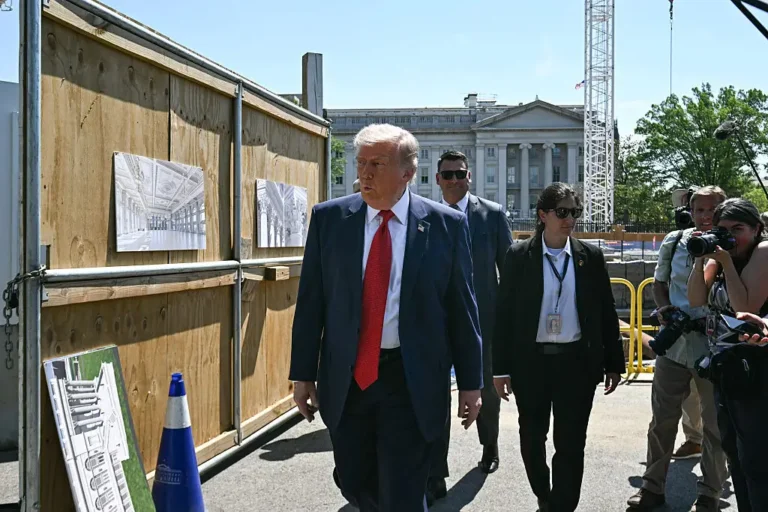
During a recent press event, as the stakes rose and public concern intensified, Trump’s mind seemed to pivot towards a narrative that only served to bolster his own narrative of being wronged. “It’s all about him!” seemed to echo across social media, capturing the disillusionment of those watching this political dance unfold. Instead of taking ownership or offering solutions, Trump’s rhetoric had a remarkable way of twisting the conversation into a personal vendetta against those he perceives as threats. This tactic may have shocked some, but for his loyal supporters, it’s just another episode in the ongoing saga of political theater.
Critics, including prominent voices from within the media and the political landscape, took to their platforms to express both disbelief and outrage. The audacity of blaming others when the stakes are so high feels like a betrayal to many. It raises pressing questions about leadership and the moral compass of those entrusted with power. How can we trust individuals who are more concerned with their image than the well-being of those they serve? For many Americans, especially in communities already grappling with systemic inequities, Trump’s response was more than just disappointing—it was a stark reminder of the challenges we face in holding our leaders accountable.
As the fallout continues, one thing remains clear: this episode is not merely about Trump; it’s about the broader implications for our political landscape. The normalization of blame-shifting in the face of adversity poses an existential threat to our collective future. In moments where we need unity and transparency, we find ourselves instead mired in division and deceit. It’s a wake-up call for us all to demand more from our leaders and hold them accountable for their words and actions. In a world that often feels chaotic, let’s strive for clarity and integrity—traits that seem to be in short supply in the current political atmosphere.
About The Author