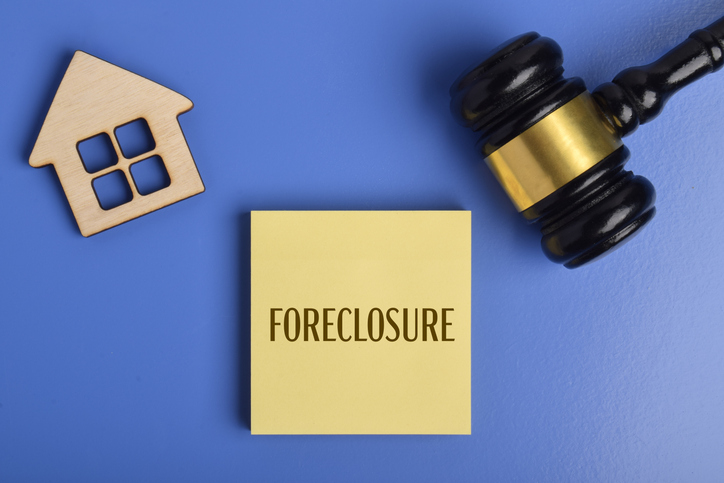
In recent months, the U.S. has witnessed a troubling rise in foreclosure rates, a situation that echoes the pain of the 2008 housing crisis but with some significant differences. Rising interest rates and inflation are squeezing many homeowners, leaving them grappling with the reality of making mortgage payments amidst soaring housing costs. The ripple effects of these financial pressures are particularly pronounced among recent buyers, lower-income households, and those locked into variable-rate mortgages, who are experiencing the brunt of these economic challenges.
The landscape of homeownership has changed dramatically over the past few years, especially post-pandemic. Many individuals jumped into the housing market during the frenzy of low interest rates, believing the upward trend in property values would ensure solid returns. However, as mortgage rates have climbed, those very same homeowners are finding themselves in precarious situations, caught between the rising costs of living and the unyielding demand of their mortgage payments. This has left many feeling trapped, as the dream of homeownership turns into a nightmare much faster than they could have anticipated.
Lower-income groups, often the most vulnerable, are facing significant hurdles as the economy continues to shift. Many find themselves unable to cope with the cost of essentials like food and gas, let alone meet their housing costs. The strain is exacerbated for those who secured adjustable-rate mortgages, which can fluctuate unpredictably. A sudden spike in rates can turn what was once an affordable monthly payment into an overwhelming burden, forcing some families to make heartbreaking decisions.
Additionally, communities of color, which have historically faced barriers to homeownership, are disproportionately affected by these foreclosures. Many Black and Latino families, who often work with smaller financial cushions, are experiencing the fallout from a system that has long been stacked against them. The simultaneous rise in housing costs, wage stagnation, and increasing economic inequality means that the stakes are higher than ever for these groups. A rising foreclosure rate isn’t just a statistic; it’s a reflection of the ongoing economic injustices that many continue to face.
As we navigate this challenging landscape, it’s crucial for policymakers to consider the social implications of rising foreclosure rates and take steps to protect those most at risk. With community support and proactive measures, there’s hope that we can mitigate the impact of these foreclosures and work toward a more equitable housing market. It’s a call to action for all of us, to ensure that homeownership remains a viable dream for everyone, not just the privileged few.
About The Author