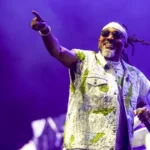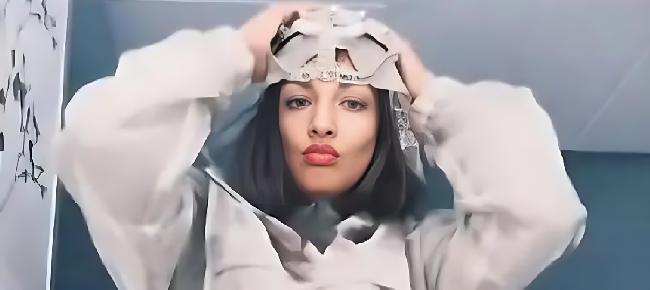
In a surprising turn of events, M.I.A. has been removed from Kid Cudi’s highly anticipated “Rebel Ragers Tour” following an onstage incident in Dallas that stirred controversy and audience discontent. Known for her audacious performances and politically charged messages, the artist, born Mathangi Arulpragasam, took a bold stance during her set, engaging the crowd with a monologue that critiqued societal norms and her own experiences with being ‘canceled.’ However, her attempt to connect with the audience didn’t resonate as expected, resulting in a chorus of boos, forcing her to exit prematurely.
M.I.A. addressed her audience directly, breaking the fourth wall to share her thoughts on cancel culture and the challenges artists face navigating public perception. “I’ve been canceled,” she declared, setting the stage for a moment that was as much about her artistry as it was about her views on freedom of expression. While her intentions may have been rooted in authenticity, the reception was overwhelmingly negative, leading to the decision that she would no longer continue on the tour.
This incident highlights a growing tension in the entertainment industry, where artists often find themselves caught between their unfiltered truths and the expectations of their audiences. The backlash against M.I.A. raises questions about the limits of artistic expression and the potential consequences of voicing controversial opinions, especially in an environment that demands entertainment and escapism over confrontation. Kid Cudi, who is known for his introspective style and connection with fans through vulnerable themes, likely faced a tough decision in balancing the dynamics of his tour.
As the music world watches the fallout from this incident, it serves as a reminder of how delicate the relationship between artist and audience can be. In a culture that celebrates individuality and dissent, there still lurks a readiness to object to messages that challenge the status quo. M.I.A.’s removal from the tour marks not just a setback for her career, but also a larger conversation about the boundaries of free speech in the age of social media. Will we continue to see artists speak up, or will fear of backlash stifle their voices? Only time will tell.
About The Author