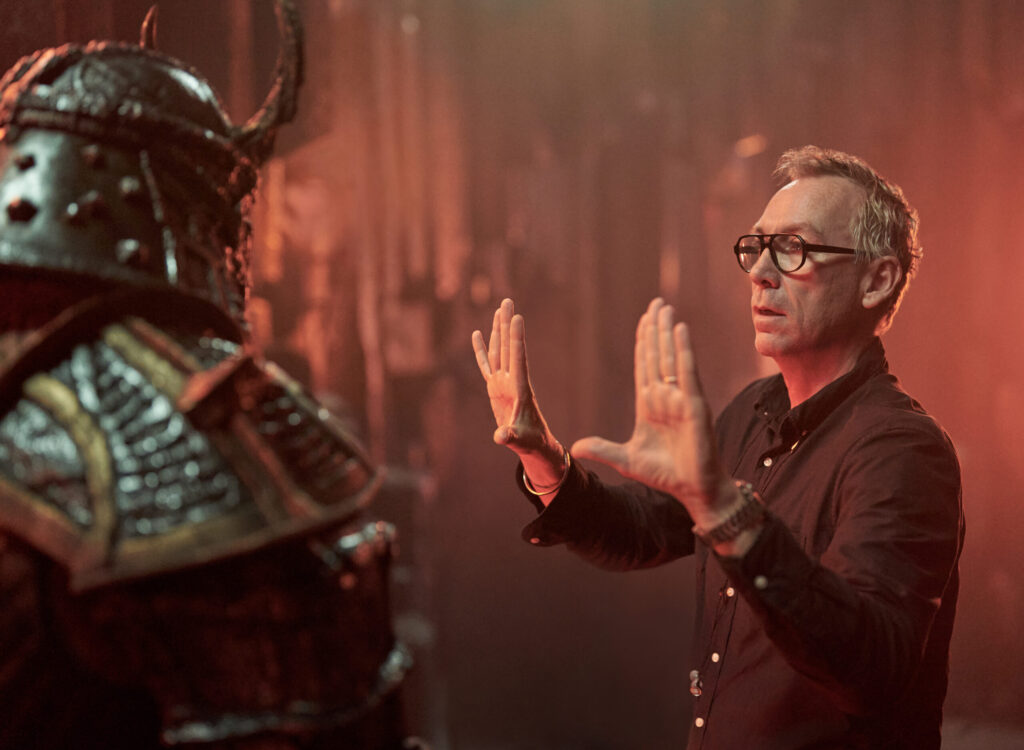
In the ever-evolving landscape of video game adaptations, Mortal Kombat II stands as a beacon for both fans and newcomers alike, thanks in large part to director Simon McQuoid’s vision. When you step into the arena of Mortal Kombat, you’re not just witnessing a fight; you’re engaging with a rich tapestry of character backstories, cultural nuances, and fan expectations. Each fighter has their own legacy, and McQuoid understands the stakes involved in bringing these iconic characters to life. In an era where representation and authenticity are more crucial than ever, he’s committed to ensuring that every fighter gets their moment to shine.
McQuoid’s approach goes beyond mere spectacle; he’s determined to honor the essence of what these characters mean to their passionate fanbase. While the franchise’s signature martial arts battles are undeniably thrilling, he emphasizes that character development is equally vital. The director has made it clear that fans should expect to see not just flashy moves, but also the emotional weight that comes with each fighter’s background. This commitment to depth is a refreshing shift in a genre often criticized for sidelining character arcs in favor of action.
As a director, McQuoid is acutely aware of the shared history between the franchise and its loyal audience. He recognizes that for many fans, these fighters are like old friends, and bringing them to the screen isn’t just about visuals; it’s about storytelling. His vision for Mortal Kombat II incorporates elements that resonate with the original game’s lore while also expanding the narrative to attract new fans. It’s this balance of nostalgia and innovation that makes the film not just a continuation of the franchise, but a potential new standard in video game adaptations.
Moreover, McQuoid’s efforts reflect a broader cultural shift within Hollywood, where diverse narratives are becoming more prominent. He’s passionate about infusing a variety of cultural influences into the storytelling, ensuring each character’s arc resonates on multiple levels. For fans who have long awaited a faithful adaptation of their beloved characters, McQuoid’s inclusion of cultural authenticity feels like a long-overdue acknowledgment of their importance.
As Mortal Kombat II prepares to hit screens, it’s clear that McQuoid’s dedication to fidelity and character-driven storytelling sets a new bar for how we engage with adaptations of beloved franchises. His vision ensures that no fighter is just a background player; each has a role, a story, and a moment to prove their worth on the battlefield. With anticipation building, fans can look forward to a cinematic experience that promises to honor the legacy of Mortal Kombat while carving out its own unique path.
About The Author