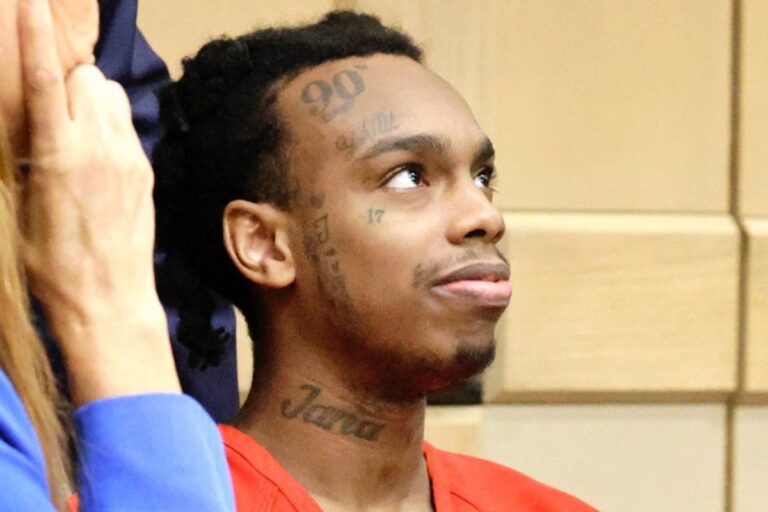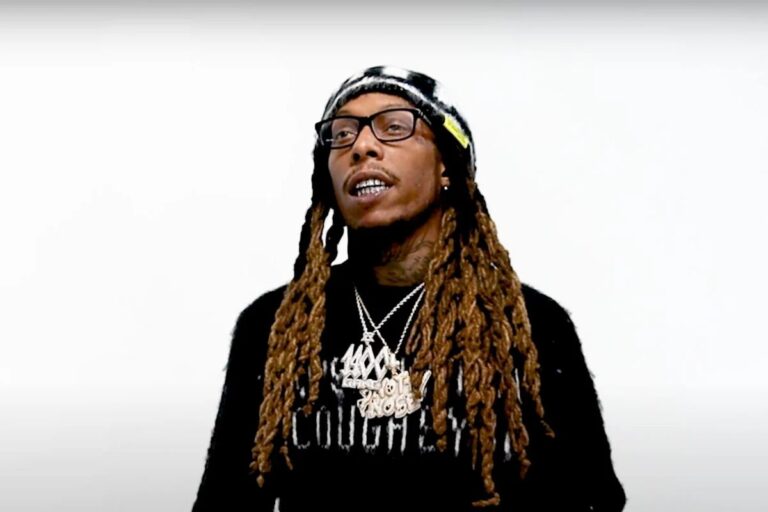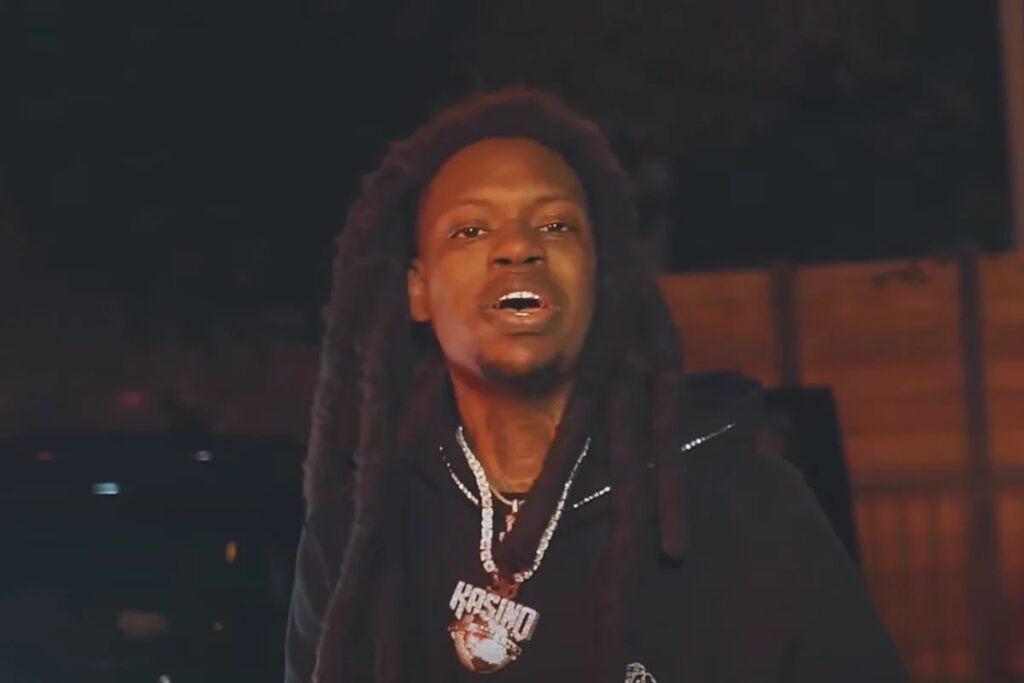
As the trial surrounding the murder of rapper Julio Foolio reaches its climax, Detective Trey McCulla took the stand to shed light on the intricate gang ties that have come to define Foolio’s life and legacy. Testifying that Foolio was a documented member of the Six Block gang since its official recognition in 2019, McCulla’s statements painted a vivid picture of the rapper’s involvement in a world marked by violence and rivalry. The courtroom atmosphere hung heavy with the tension of rival gangs, as emotions ran high not just for the family and friends of the victim, but for the community that has been affected by this ongoing cycle of violence.
It’s no secret that Foolio’s music often reflected his struggles and experiences growing up in Jacksonville, Florida, a city known for its music scene but also its gang conflicts. His lyrics told stories of loss, loyalty, and the harsh realities that many young Black men face. As the jurors heard about the rapper’s connections and the deep-seated rivalries within the community, they were reminded that this case isn’t just about an individual; it is a reflection of the broader societal issues that plague urban America.
The trial has sparked conversations across social media, with fans and critics alike dissecting the implications of gang culture in hip-hop. While some argue that it glamorizes violence, others insist it serves as a way for artists to express their realities. Foolio’s situation serves as a cautionary tale about the fine line between artistic expression and the dangers that can arise from being deeply embedded in gang life.
As closing arguments approach, the courtroom may soon deliver a verdict, but the reverberations of this case will resonate far beyond the walls of the courthouse. For many in Jacksonville, Foolio was more than just a rapper; he was a symbol of the struggles and aspirations of his community. The outcome of this trial could potentially influence not only the future of his rivals but also the conversation around hip-hop and its place in the conversation about violence and community.
About The Author