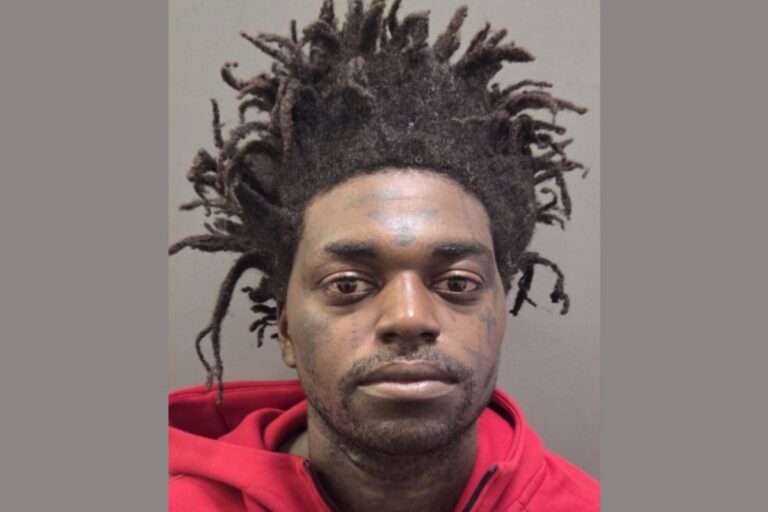
In a dramatic turn of events, YNW Melly’s defense team has brought attention to the harsh realities of his incarceration, arguing that the treatment he has endured is reminiscent of the infamous cases of presidential assassination. After being denied bond, Melly has now spent over seven years in solitary confinement, a situation that they assert should not be ignored by the justice system.
Melly’s legal representatives contend that keeping him isolated for such a prolonged period is not only inhumane but also detrimental to his mental health and well-being. They point out that the conditions he faces are more severe than those experienced by individuals convicted in high-profile cases, drawing parallels to the treatment of suspects involved in presidential assassinations, who often receive a more lenient approach in terms of their living conditions. This contention raises troubling questions about the disparities within the criminal justice system, especially for young Black men.
The defense’s argument highlights a critical intersection of race, justice, and mental health. As a rising star in the hip-hop scene, Melly’s case is emblematic of broader issues that plague the system, where individuals are often subjected to harsher treatment based on their backgrounds and the nature of their alleged crimes. His team is not just fighting for his freedom; they are advocating for fundamental changes in how the justice system treats young Black defendants.
As the case unfolds, the public is left to grapple with the ethical implications of using solitary confinement as a punishment, particularly for someone who has yet to be convicted. The defense’s comparison to presidential assassination cases serves as a stark reminder that justice should be equitable, regardless of the public’s perception of the accused. With hip-hop culture often serving as a mirror for societal issues, Melly’s plight could spark essential conversations about reform and the humanity of those caught in the system’s web.
About The Author