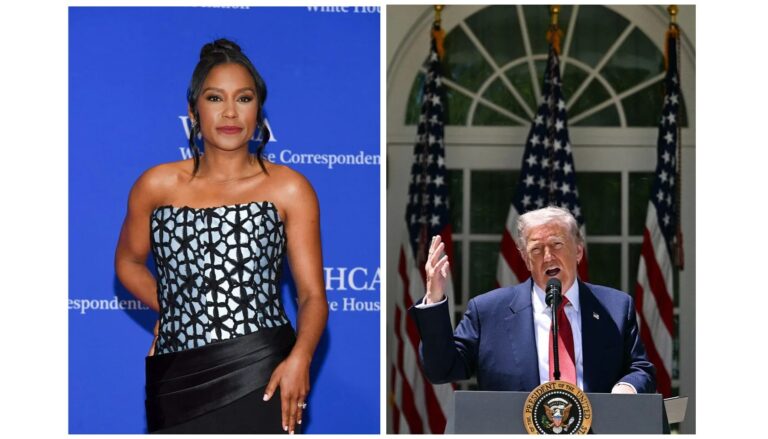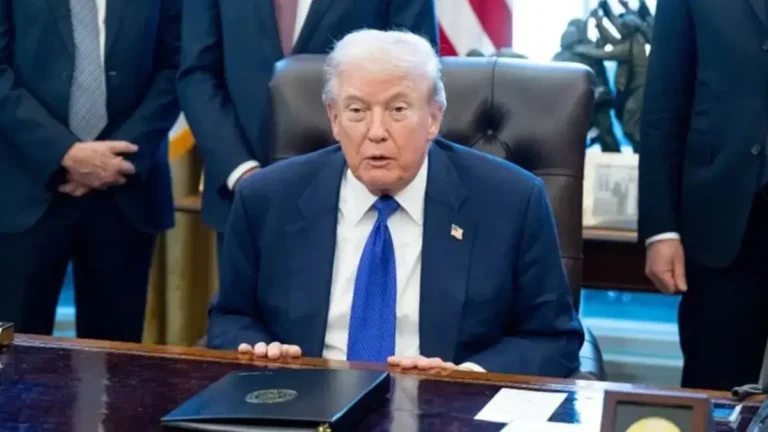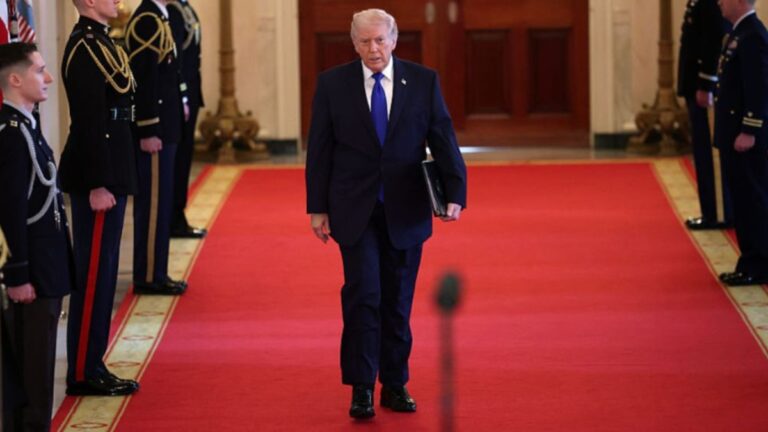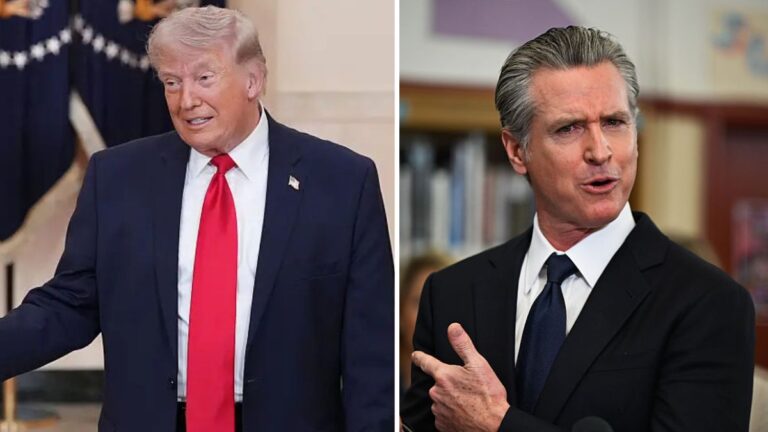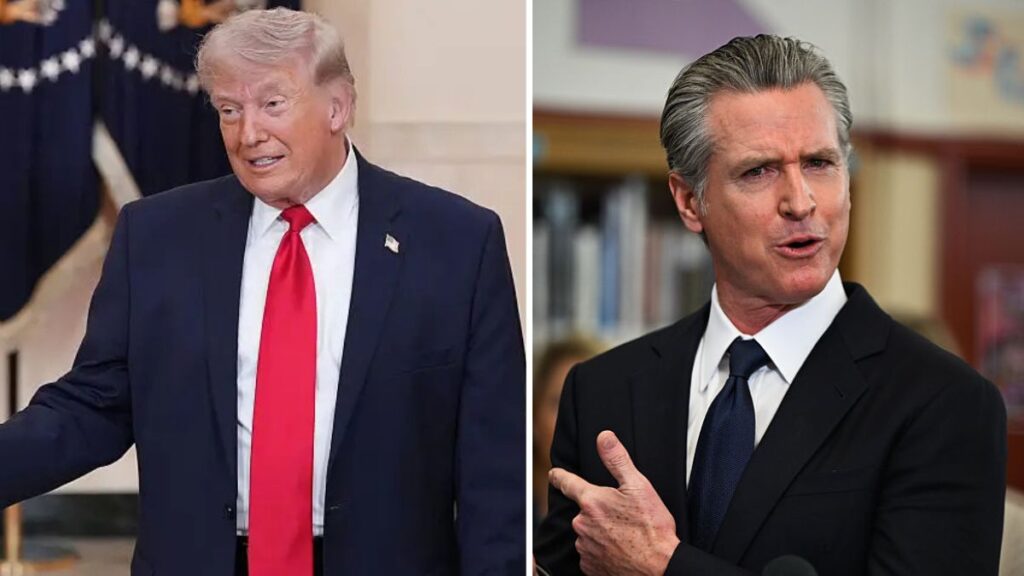
In a recent press event that felt more akin to a late-night comedy skit than the serious business of governing, Donald Trump found himself in a bizarre verbal stumble over a seemingly simple three-letter word. As the nation continues to grapple with pressing issues, many are left questioning the mental acuity of the former president. His slip-up, which appeared to confuse two basic terms, has led to a chorus of critique from the Democrats, who are seizing on this moment to underscore concerns about Trump’s cognitive abilities. Instead of addressing the gaffe head-on, the White House resorted to launching a cheap shot at California Governor Gavin Newsom, hoping to deflect the attention from Trump’s blunder.
But in a move that could only be described as cringe-worthy, the attempt to pivot towards Newsom only magnified the awkwardness of the situation. The press secretary’s remarks, which were meant to bolster Trump’s image, instead fell flat, leaving many wondering if this administration truly understands the gravity of their leader’s missteps. It’s not the first time the White House has tried to distance itself from Trump’s flubs by diverting blame or attention elsewhere, yet this latest episode feels particularly illustrative of a deeper issue: can they really defend a president who seems increasingly out of touch?
For many Americans, this kind of political theater only fuels the narrative that Trump is more interested in childish rivalries than in substantive policy discussions that really matter. The episode is further complicated by the fact that Newsom has been garnering attention and praise for his own political moves, making the White House’s attempts to undermine him appear weak and desperate. As the political landscape grows more contentious, the focus on Trump’s gaffes is likely to continue, and it puts the spotlight on whether his supporters can maintain their loyalty in the face of such glaring missteps.
At the end of the day, these kinds of incidents reflect not just on Trump but also on the state of the Republican Party as a whole. Are they willing to condone a leader who can’t articulate basic concepts? Or are they ready to reassess their own positions in light of his chaotic leadership style? As the nation watches, the optics of this debacle may just serve as a turning point, prompting a broader discussion about competence in leadership—a topic that feels more pressing than ever.
About The Author