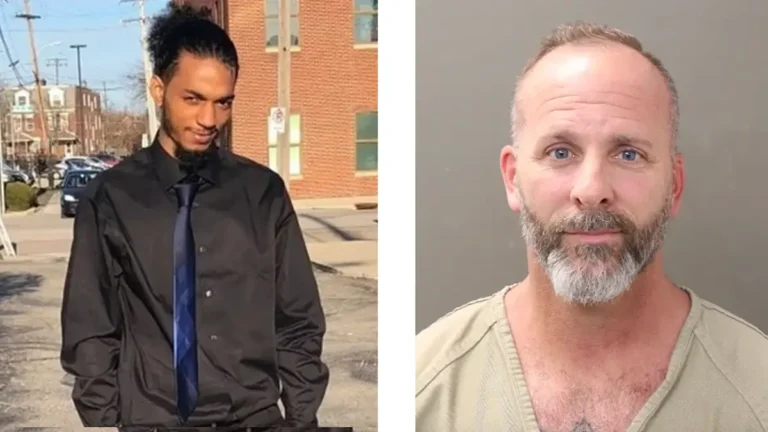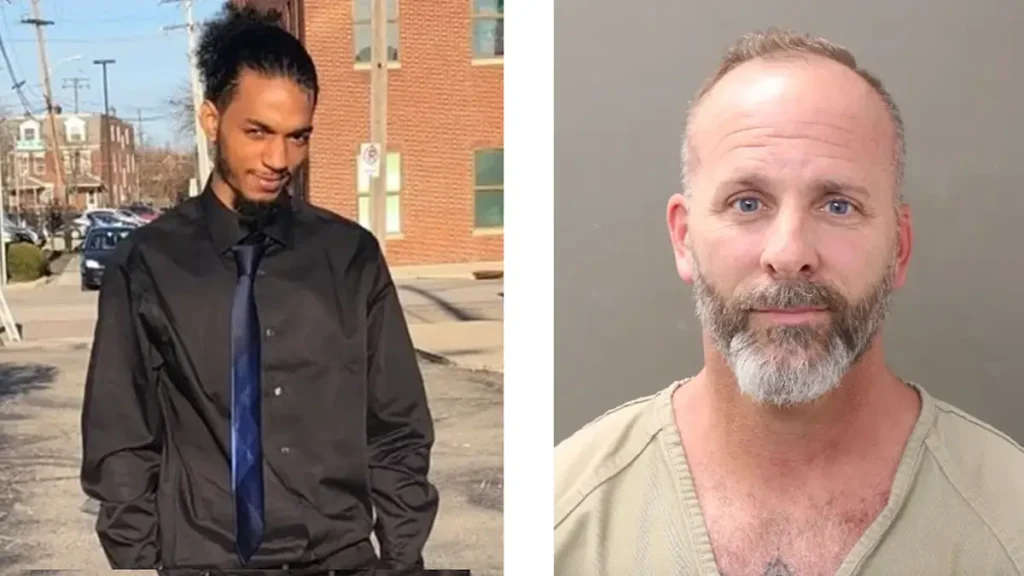
In a case that has rocked Ohio and reignited national conversations about police violence and accountability, former deputy Jason Meade was convicted of murder for the killing of Casey Goodson Jr. back in December 2020. Casey, a 23-year-old Black man with a promising future and no criminal history, was fatally shot while simply walking home with sandwiches for his elderly grandmother and young brother. The absurdity of the situation is magnified by the fact that Casey was unarmed; his only weapon was the food he carried, a bitter reminder of how often fear and bias can shape deadly encounters.
Meade, who had a documented history of aggressive behavior and a chilling penchant for violence, claimed that he mistook Casey’s sandwich for a firearm, alleging that the young man was pointing a gun at him. This unfounded assertion was not only a despicable fabrication but also highlighted the reckless nature of policing that can turn mundane moments into life-or-death situations. Throughout the trial, evidence and witness testimonies painted a picture of a deputy more interested in hunting down perceived threats than in serving and protecting the community.
The conviction was a bittersweet victory, a reminder that justice is often a long and winding road, fraught with obstacles. Casey’s family, who had to endure the trauma of losing a son and brother due to senseless violence, finally saw a small measure of justice. However, the broader implications of this case resonate deeply with ongoing issues of systemic racism and police brutality that persist in our society.
This tragic incident underscores the urgent need for meaningful reform within our law enforcement systems. We must continue to advocate for accountability, transparency, and a fundamental rethinking of policing practices that often dehumanize Black lives. While one deputy may have been held accountable, the fight for justice extends far beyond this case; it is a cultural battle against a system that has historically failed to protect the most vulnerable among us. As we reflect on this case, let it serve as a rallying cry for change and an enduring commitment to ensuring that no family has to suffer a similar loss in the future.
About The Author