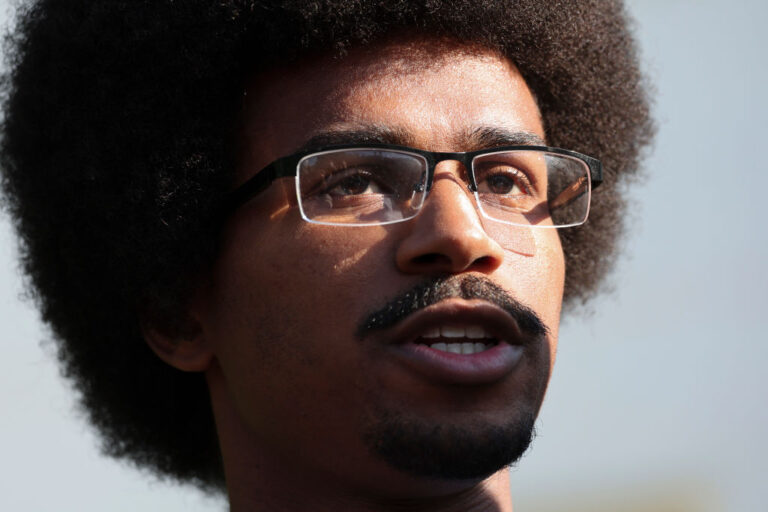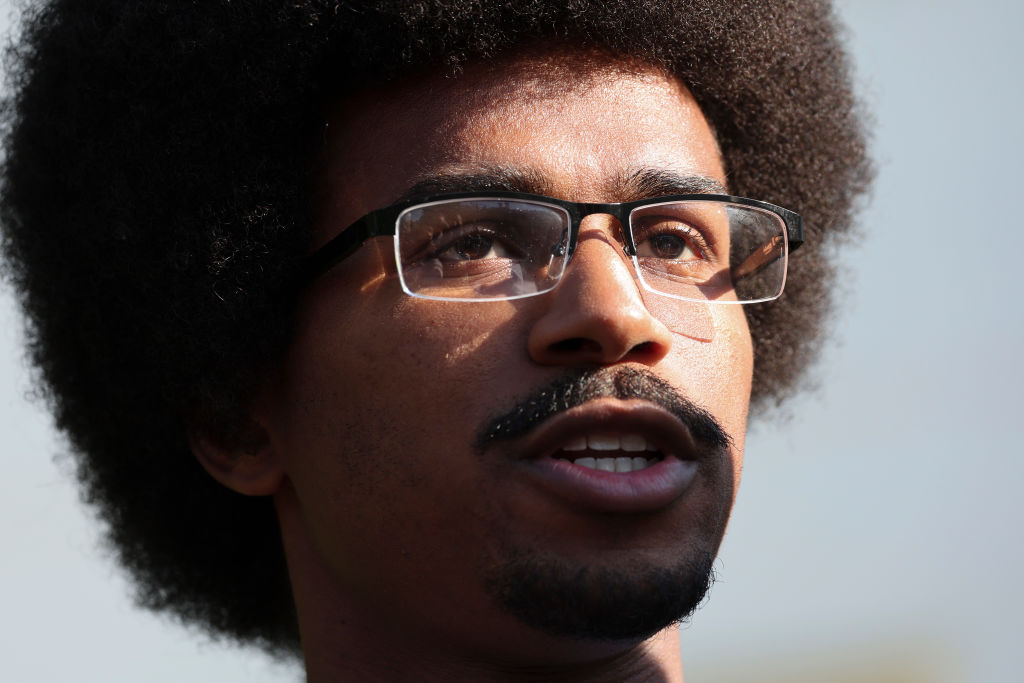
In a powerful moment that resonated across the nation, Rep. Justin Pearson didn’t hold back during recent protests in Tennessee. Confronted by a state trooper, who stood as a symbol of the oppressive forces trying to silence dissent, Pearson unleashed a fiery rebuke that encapsulated the frustration felt by many in the face of systemic racism and gerrymandered voting maps. His passionate outburst wasn’t just about a single protest; it was a call to action that echoed the sentiments of a generation tired of being marginalized and misrepresented.
In a landscape where partisan politics often veils the truth, Pearson’s raw authenticity shines brightly. He confronted the trooper not only as a representative of his district but as a voice for the disenfranchised, demonstrating that civil disobedience is not just acceptable, but necessary in the fight against injustices that continue to plague our democracy. The absurdity of a political system more concerned with power than the people was laid bare during this exchange, reminding us all that dissent is the highest form of patriotism.
As we reflect on Pearson’s actions, it becomes clear that he embodies a movement that challenges the status quo. His bravery in the face of a hostile political environment inspires others to stand up, speak out, and demand accountability from those in power. In a country where racial equity remains a distant dream for many, Pearson’s fiery spirit and unapologetic approach are a testament to the kind of leadership we so desperately need. If anyone can remind us that it’s alright to be angry about what’s happening in America, it’s him.
At this point in the series finale of the social experiment that is the United States of America, we all need to be like Justin Pearson. We can’t afford to be silent when the stakes are so high, and the systems in place can often feel insurmountable. It’s time to channel that energy and ignite the flames of change in our own communities. Pearson’s moment of truth serves as a rallying cry—it’s a reminder that courage, authenticity, and a refusal to be silenced can pave the way for a more equitable future.
About The Author