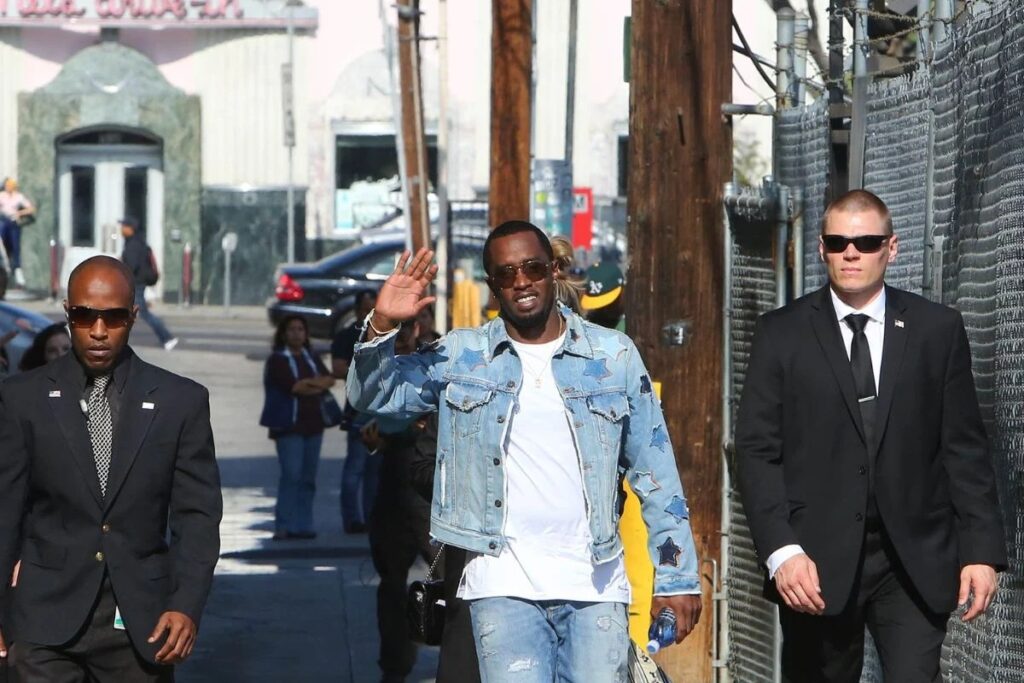
In a notable twist in the ongoing saga surrounding Sean ‘Diddy’ Combs, his legal team has stepped forward to challenge the validity of a revived lawsuit filed by Kirk Burrowes. The allegations stem from a 2013 encounter on the streets of New York City, where Burrowes claims that Diddy groped him, describing the incident in terms that imply a violation rooted in gender motives. However, Diddy’s lawyers are aiming for the dismissal of this lawsuit, asserting that what transpired was merely a casual interaction, characterized by a bear hug and a butt grab, and should not be construed as a crime of violence.
This battle is not just about one man’s reputation; it touches on broader themes of consent, the nature of interactions, and the responsibilities of public figures. Diddy’s camp argues that the context of the encounter is critical. They emphasize that such behaviors, although perhaps inappropriate to some, were not intended to intimidate or harm, thus stripping the incident of its alleged criminal undertones. Legal experts watching from the sidelines are paying close attention, noting that this case might set precedents on how similar claims are interpreted in both court and public perception.
The hip-hop mogul’s approach seems to suggest a philosophy of camaraderie over criminality, inviting conversations about the often blurry lines of personal space, especially within the entertainment industry. In a world where consent and personal boundaries are increasingly scrutinized, Diddy’s defense could either spark backlash or offer a new framework for discussing sexual misconduct allegations. His lawyers are focusing on the nature of interactions among industry insiders, arguing that the culture can sometimes blur what is acceptable and what is not.
As the case unfolds, it will be interesting to see how the court navigates these nuanced arguments. Many in the hip-hop community are rallying around Diddy, viewing this lawsuit as an attack on a man who has given so much to the culture and industry. Regardless of the outcome, this case serves as a stark reminder of the evolving definitions of consent and violence in our society, pushing us to critically evaluate our perceptions of personal interactions. In the end, the verdict may set a precedent that reshapes conversations around gender and accountability in hip-hop and beyond.
About The Author