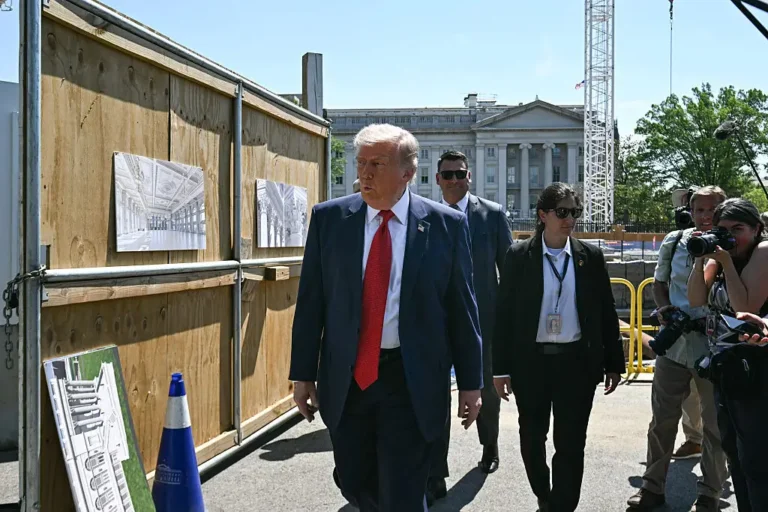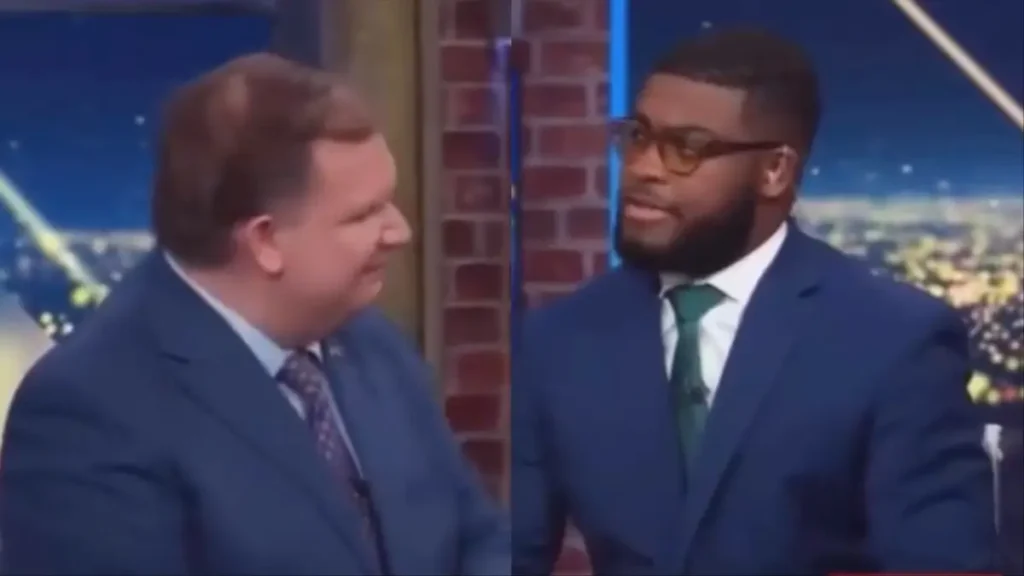
In a recent panel discussion on CNN, the often combative and fiery rhetoric of right-wing commentators met an unexpected challenge. During a segment that should have been just another routine back-and-forth on current events, a Black panelist deftly posed a question that left his counterpart momentarily speechless. It wasn’t just any question; it was one that dug deep into the heart of what many perceive as Donald Trump’s greatest vulnerability—his thin skin.
The moment encapsulated everything we’ve seen in contemporary political discourse. Right-wing pundits often relish in their bravado, bubbling over with confidence as they defend their positions. Yet, in that instant, it became glaringly clear that their bravado can crumble under pressure, especially when confronted with pointed questions that demand real introspection instead of the usual talking points. The Black panelist’s question wasn’t a mere rhetorical flourish; it exposed the glaring contradictions in Trump’s narrative and left the right-wing commentator searching for words.
As the silence stretched, it wasn’t just the awkwardness of the moment that resonated with viewers, but the uncomfortable truth lurking beneath the surface. It raised questions about accountability, integrity, and the ability to stand firm in the face of legitimate critique. In a political environment where so much of the conversation is dominated by bluster and bravado, this instance showcased an intellectual vulnerability that is all too rare—especially in right-wing circles.
The stammering response from the panelist not only highlighted the challenges faced by those who support Trump but also illuminated the broader struggles within conservative politics. When questioned by a voice that has historically been marginalized, how do you maintain your footing while facing the truth? In the end, that moment of hesitation spoke volumes. It’s a reminder that even the loudest voices can be rendered mute when confronted with the complexities of truth and accountability.
In the age of social media and instant commentary, these moments will inevitably be dissected and shared, serving as a powerful reminder of the importance of genuine dialogue in politics. The exchange exemplified the need for deeper discussions, especially around the figures who dominate our political landscape. What does it mean for the future of political discourse when a simple question can leave someone at a loss? We may need to keep asking those tough questions to get to the heart of the matter.
About The Author