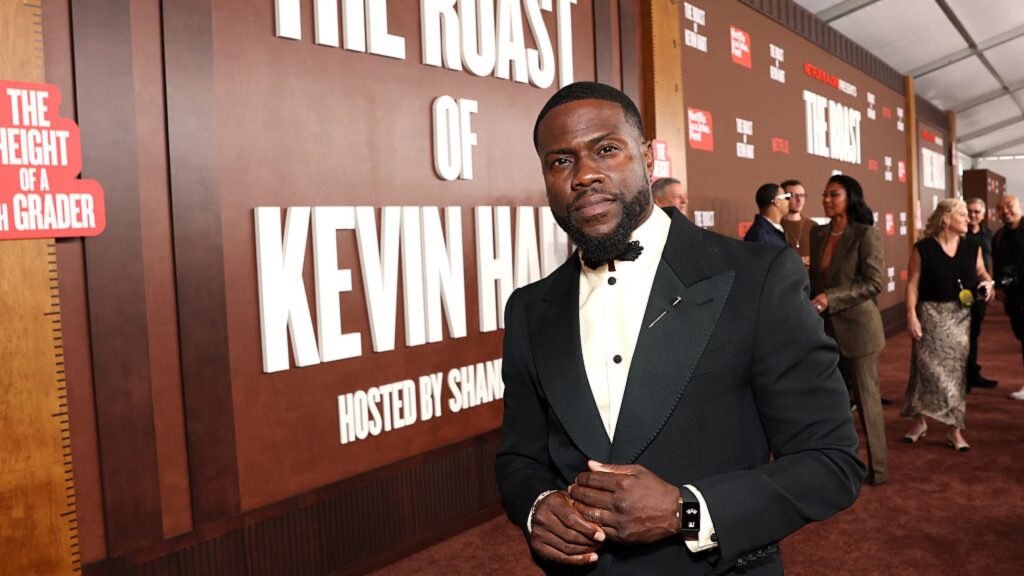
In the ever-evolving landscape of entertainment, few figures stand as prominently as Kevin Hart, a man whose relentless drive and comedy genius have revolutionized the industry. With accolades like the Mark Twain Prize for American Humor sitting alongside his Hollywood blockbusters, Hart has undeniably carved out a significant space in the zeitgeist of modern culture. Yet, even within the glow of his success, shadows loom—particularly around the recent controversies involving his production company, HartBeat Productions.
Recent reports have uncovered troubling allegations of racial discrimination within Hart’s company. Two Black podcast producers, who played pivotal roles in developing projects for Hart, found themselves abruptly dismissed. Not only were their contributions shelved, but HartBeat also initiated a lawsuit against them after they chose to leave the company. Such actions raise critical questions about the internal dynamics of Black excellence in the industry and the complexities of leadership when it intersects with issues of race.
It’s important to recognize that Hart’s achievements come amid a broader conversation about representation and equity within entertainment. While we celebrate his milestones, we must also scrutinize how those in positions of power treat those working under them. The narrative often painted is that of a triumphant Black entrepreneur, yet incidents like these complicate that image. It forces us to confront the uncomfortable truth that the fight for equity doesn’t end with individual success; it requires a commitment to fostering inclusive environments for all.
As the story unfolds, it serves as a stark reminder that success in Hollywood—or any industry—is not merely about personal accolades but also about the profound impact one has on those within their sphere. In a space that thrives on storytelling, it’s paramount to ensure that every voice is heard and valued, particularly those of marginalized communities. As fans and followers of Hart, we grapple with the duality of his success while advocating for a more equitable landscape, not just for ourselves, but for those who come after us. The conversation is far from over, and it’s one we must continue to have as we navigate the intersections of culture, race, and power in modern entertainment.
From The Source
About The Author