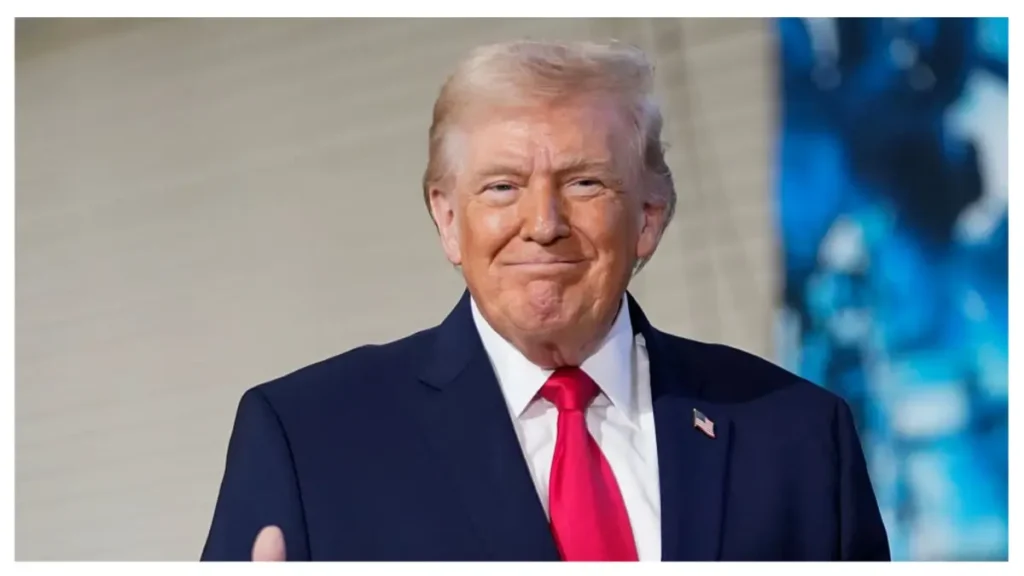
In an era where social media can ignite national conversations and reshape political landscapes, President Donald Trump has once again found himself at the center of a storm. His recent decision to repost a series of controversial videos featuring Black individuals engaged in unlawful or questionable activities has raised eyebrows and reignited accusations of racism. Critics are quick to point out that this behavior isn’t new for Trump; rather, it appears to be a continuation of a long-standing narrative that plays on racial stereotypes to galvanize his base.
The videos seem to serve a dual purpose: to entertain his followers while simultaneously reinforcing a narrative that frames Black Americans in a negative light. This unfortunate tactic reflects a troubling trend in American politics, where scapegoating becomes a tool for garnering support. Observers note that Trump’s social media strategy appears increasingly calculated, aiming to exploit racial tensions and societal fears—echoing themes that have long been associated with his brand of politics.
Many find it disheartening that a former president would choose to wield his influence in such a manner, particularly at a time when the nation is grappling with deeply rooted issues of race and inequality. The backlash against Trump’s actions has been swift; commentators and everyday citizens alike have called out the blatant disregard for the repercussions of his rhetoric. When old, white politicians like Trump choose to amplify negative portrayals of any group, it not only undermines progress but also perpetuates harmful stereotypes that resonate far beyond the digital realm.
As the discourse surrounding race continues to evolve in America, the responsibility of those in power to foster a narrative that uplifts and unites becomes increasingly crucial. Unfortunately, Trump’s recent behavior suggests he is more interested in stoking division for personal gain than participating in the necessary healing of a fractured society. The impact of such actions not only affects public perception of Black Americans but also exacerbates the existing societal divides. With the 2024 election on the horizon, we can only hope that voters will see through this manipulative strategy and demand a more inclusive, empathetic approach from those seeking public office.
From The Source
About The Author