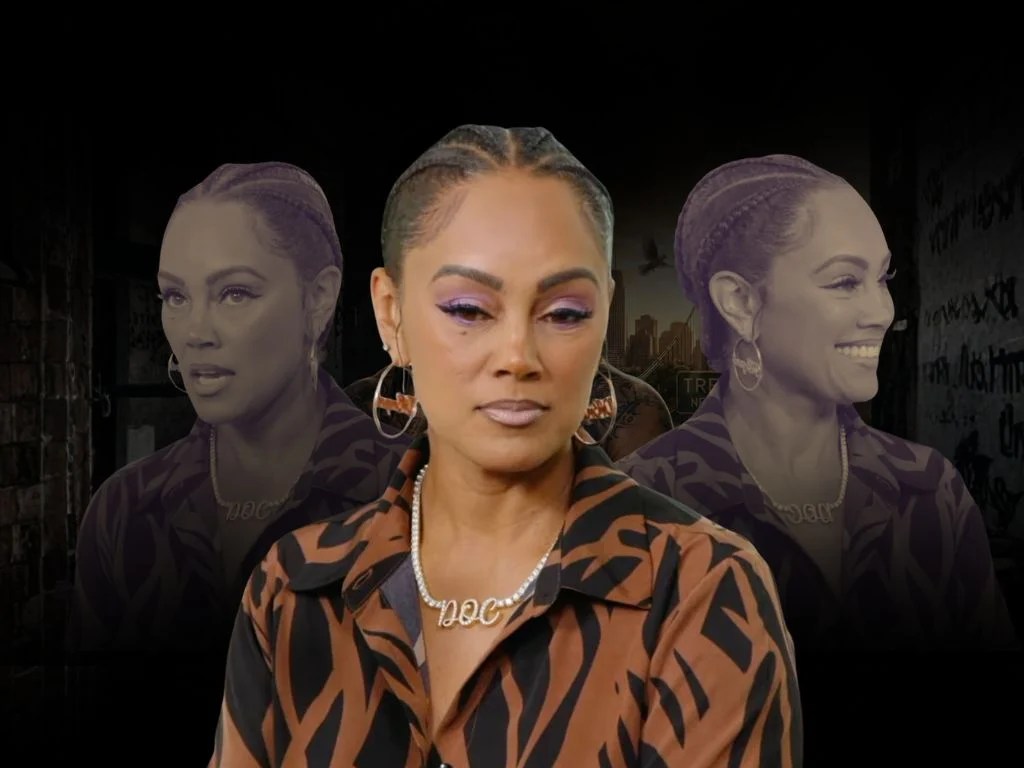
Dr. Cheyenne Bryant has found herself at the center of a firestorm, with critics labeling her a “Dr. Fraud” over claims about her educational background and professional licensure. The popular relationship coach, who has graced numerous platforms with her insights on love and personal growth, is now navigating a wave of scrutiny that threatens to derail her career. Detractors point to the absence of her dissertation and the validity of her doctorate, raising concerns about her qualifications and the authenticity of her advice.
Despite the backlash, Dr. Bryant is standing firm, asserting that the allegations are based on misunderstandings and misinterpretations of her qualifications. In a world where personal narratives can be weaponized, she argues that her journey is more complex than her critics allow. While transparency is crucial in any profession, especially in the realm of mental health and relationships, she insists that her experience and the positive impacts of her work speak louder than the accusations.
As the debate continues, the backlash against Dr. Bryant raises important questions about the standards we hold for public figures in the realm of relationship advice. In an age where expertise is often conflated with social media presence, where do we draw the line between influence and credibility? While some see Dr. Bryant’s situation as a cautionary tale about the importance of verifying qualifications, others view it as an all-too-frequent attempt to undermine successful Black women in the industry.
In this dynamic landscape, Dr. Cheyenne Bryant remains undeterred, vowing to continue her mission of empowerment and healing. Whether she can weather the storm of skepticism or if this criticism will indeed tarnish her brand remains to be seen, but one thing is clear: the conversation around authenticity, credentials, and the role of Black women in the coaching space is just getting started. As we continue to dissect this narrative, the implications of her situation reverberate far beyond her personal brand, touching on deeper issues of trust, respect, and representation in the professional realm.
From The Source
About The Author