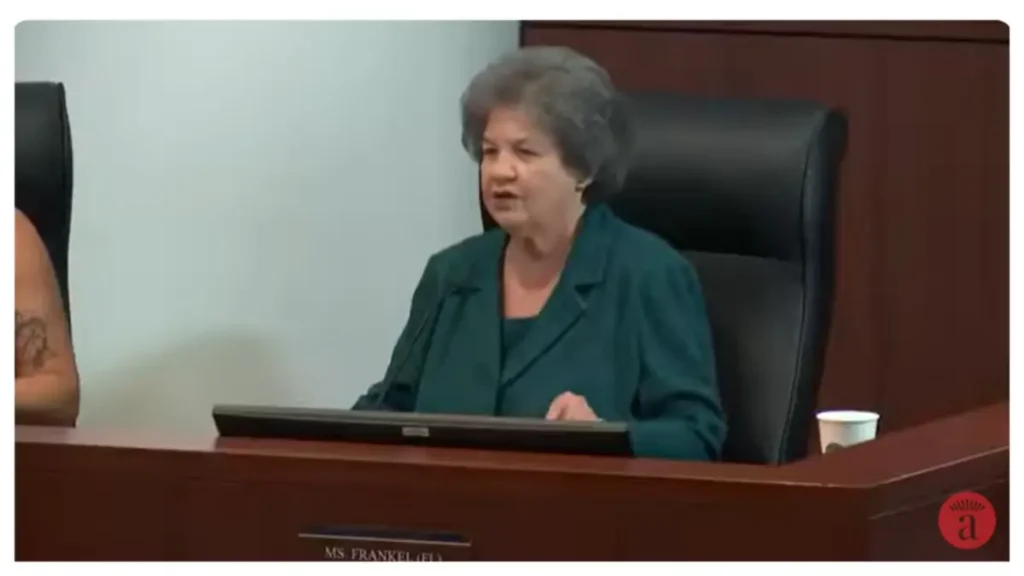
In a searing hearing held this week in West Palm Beach, Florida, House Oversight Committee Democrats, led by Rep. Lois Frankel, confronted the gaping holes in the justice system that allowed Jeffrey Epstein to evade accountability for his heinous actions for far too long. Rep. Frankel didn’t pull any punches as she laid bare the systemic failures that failed victims, emphasizing how Epstein’s connections and privilege paved the way for his freedom. It was a powerful moment that resonated not only for those affected by Epstein’s crimes but also for anyone who has ever felt let down by a system that promises justice but often delivers the opposite.
During the hearing, Frankel’s scathing remarks exposed the layers of complicity that have allowed powerful figures like Epstein to thrive while vulnerable individuals suffer. She pointed fingers at law enforcement, legal representatives, and even the very institutions meant to protect the public, revealing a network that enabled Epstein’s silence and protection. Her passionate address underscored the urgency of addressing these systemic issues, pushing for accountability not just for Epstein’s actions but for those who turned a blind eye in the wake of his alleged crimes.
In a nation where the scales of justice often tip in favor of the rich and powerful, Frankel’s words serve as a clarion call to dismantle the barriers that shield the elite from facing the consequences of their actions. The hearing was not only a critique; it was a rallying cry for reform and a demand that the voices of victims be heard and honored. As we process this turbulent moment in our history, it’s essential to reflect on the ways in which social power dynamics influence our legal systems and to advocate for the necessary changes that will pave the way for true justice.
This pivotal moment in the fight for accountability serves as a reminder of our collective responsibility to ensure that no one is above the law. With figures like Rep. Frankel at the helm, we can only hope for a future where justice is truly served, and the system is held accountable for its failures. As this conversation continues, it’s crucial that we stay engaged, informed, and ready to fight for a culture that prioritizes the voiceless and insists on change.
From The Source
About The Author