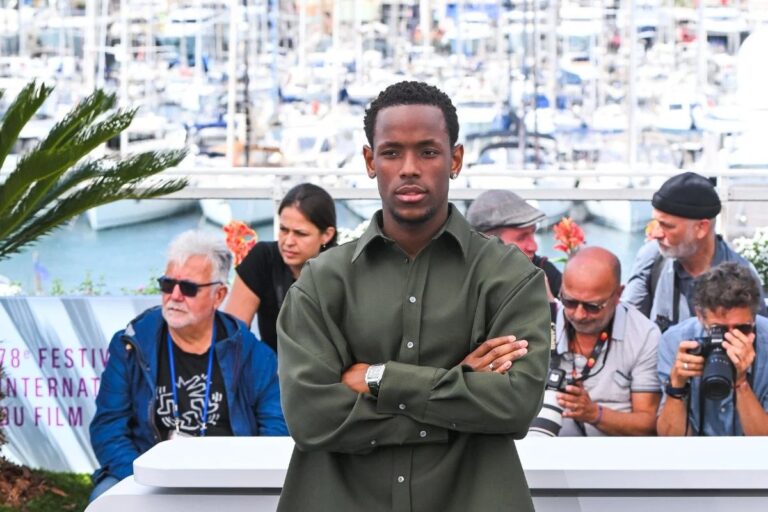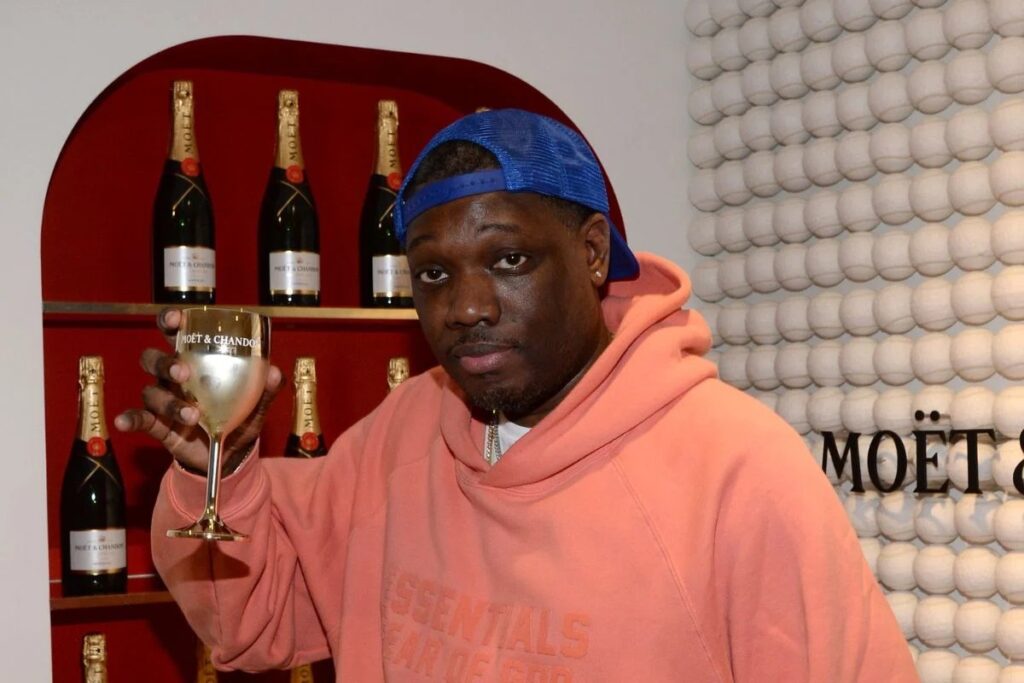
In a recent interview, comedian Michael Che opened up about the behind-the-scenes dynamics that shaped the Netflix special ‘Kevin Hart: Irresponsible.’ Che highlighted an uncomfortable truth: the writing room for the special was predominantly white, a detail that raises questions about representation in humor, especially when it comes to sensitive subjects such as race.
Che pointed out that Black comedians often have a different approach when it comes to roasting one another. For them, it isn’t just about getting a laugh; it’s rooted in an understanding of cultural context and shared experiences that can make the jokes land differently. In contrast, the all-white team, despite their comedic pedigree, likely lacked that nuanced insight into the Black experience, which can lead to misguided attempts at humor that miss the mark or, worse, perpetuate stereotypes.
This disparity in the writing room may have contributed to some of the more problematic moments in Hart’s roast, where the punchlines sometimes crossed a line or felt racially insensitive. Che’s critique serves as a reminder that comedy is inherently tied to the cultural backgrounds of those crafting the jokes. When a writing room lacks diversity, the resulting humor can feel less authentic and more like an outsider’s attempt to grasp something they’ve only superficially encountered.
Moreover, Che’s remarks echo a larger conversation happening within the comedy community about who gets to tell which jokes. As audiences become increasingly aware of the implications behind specific types of humor, there is a growing demand for authenticity and representation in comedy writing. It’s a call for inclusivity that not only enriches the narratives we hear but also ensures that the jokes being told are rooted in understanding rather than caricature.
While Kevin Hart remains a titan in the comedy world, Che’s observations are a vital reminder that the landscape of comedy is evolving. The industry’s writers and performers must recognize the power dynamics at play and strive for a more inclusive approach that acknowledges and embraces the richness of diverse voices. As we move forward, let’s hope this conversation continues to inspire change, ensuring that comedy remains a space where everyone can laugh together without crossing the line into harmful territory.
From The Source