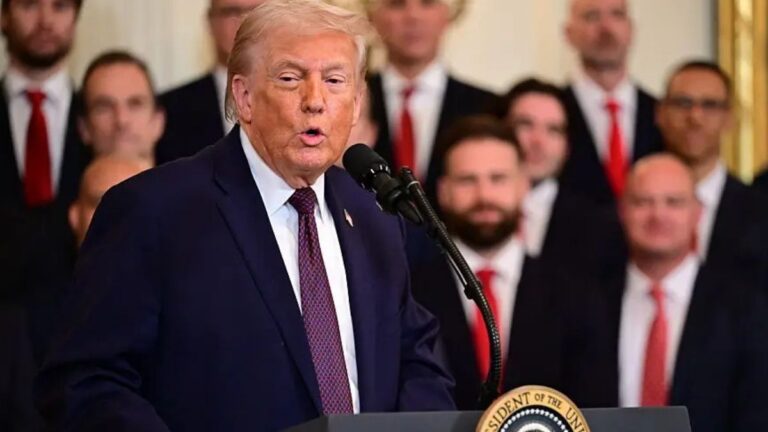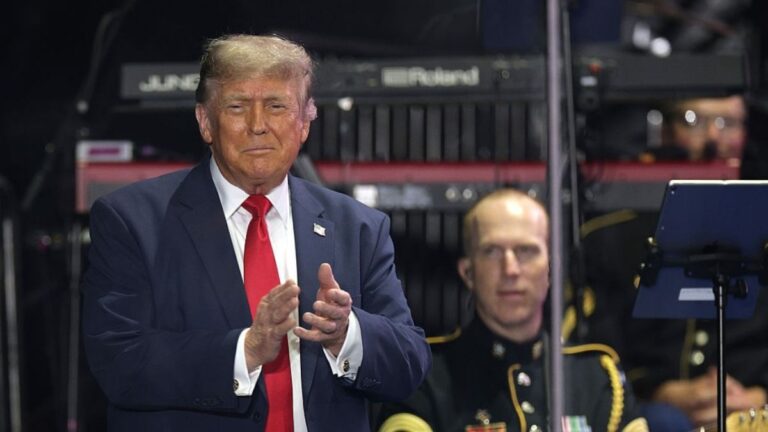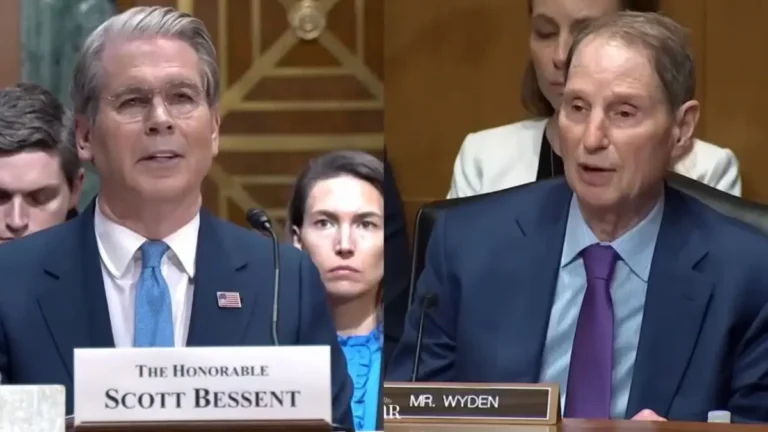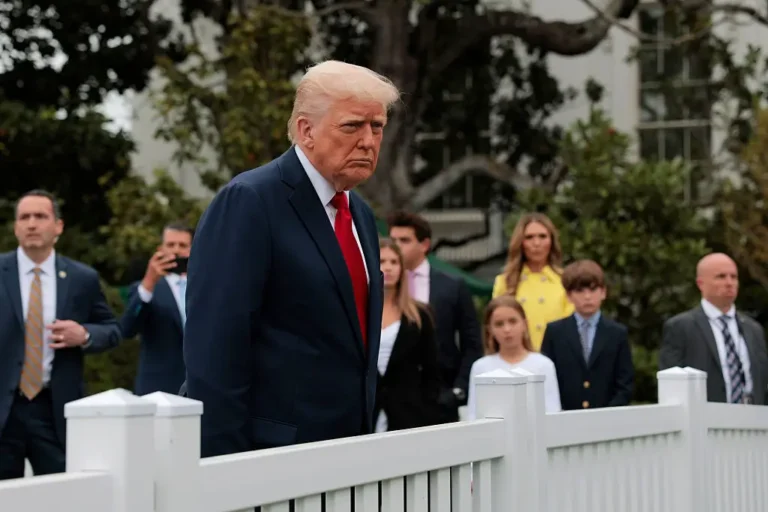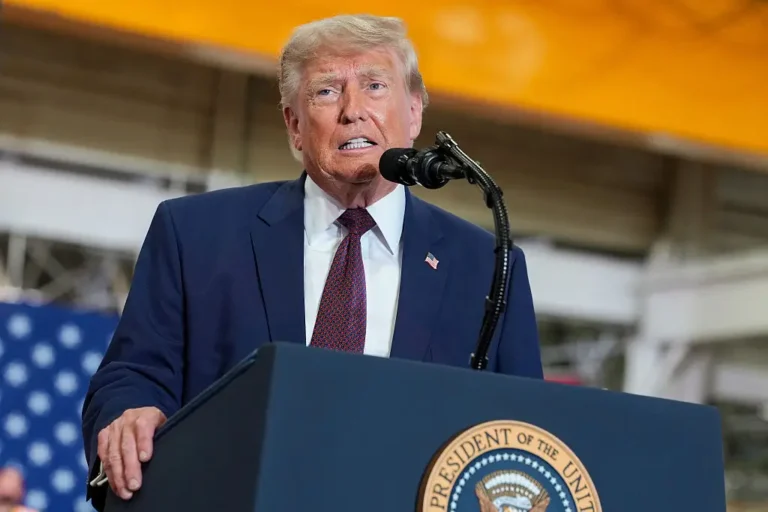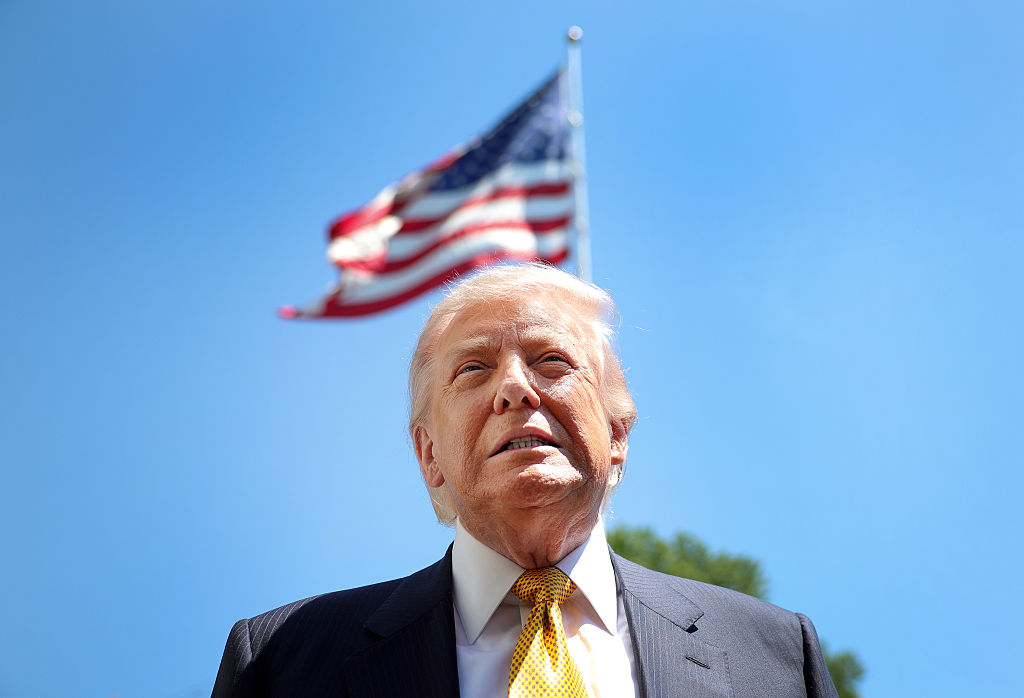
As we look back at 2025, the economic landscape for Black Americans is painted in grim strokes, starkly contrasting the optimistic narrative propagated by former President Trump. Claiming to be a ‘white savior’ for marginalized communities, Trump touted policies intended to uplift Black citizens, but the reality tells a different story. The Federal Reserve’s Economic Well-Being of U.S. Households report, which has been tracking the financial health of Americans since 2013, revealed that Black households faced some of the most challenging economic conditions since its inception.
Throughout his term, despite the rhetoric about job creation and opportunities, the data shows a troubling decline in economic stability for Black families. The report highlighted rising unemployment rates, stagnant wages, and an increase in poverty that collectively painted a portrait of despair. Many Black Americans found themselves grappling with issues such as housing instability and food insecurity, problems that were exacerbated rather than alleviated during this leadership.
For a large segment of the Black population, aspirations of economic advancement remained just that—aspirations. The illusion of a thriving Black middle class shattered under policies that often overlooked systemic inequities and barriers. While Trump positioned himself as an advocate, community leaders and economists alike argued that his administration failed to provide the necessary support and infrastructure needed to cultivate true economic growth in the Black community.
As we navigate the aftermath of this tumultuous era, it’s crucial to reflect on the stark realities of economic disparity. The challenges faced by Black Americans in 2025 remind us that rhetoric does not equate to results. Moving forward, it is vital for policymakers to engage with the communities they aim to serve, ensuring that economic policies are not just promises but tangible actions that uplift and empower. Only then can we hope to build a more equitable future for all, where the economic well-being of every American is a priority, not just a talking point.
From The Source
About The Author