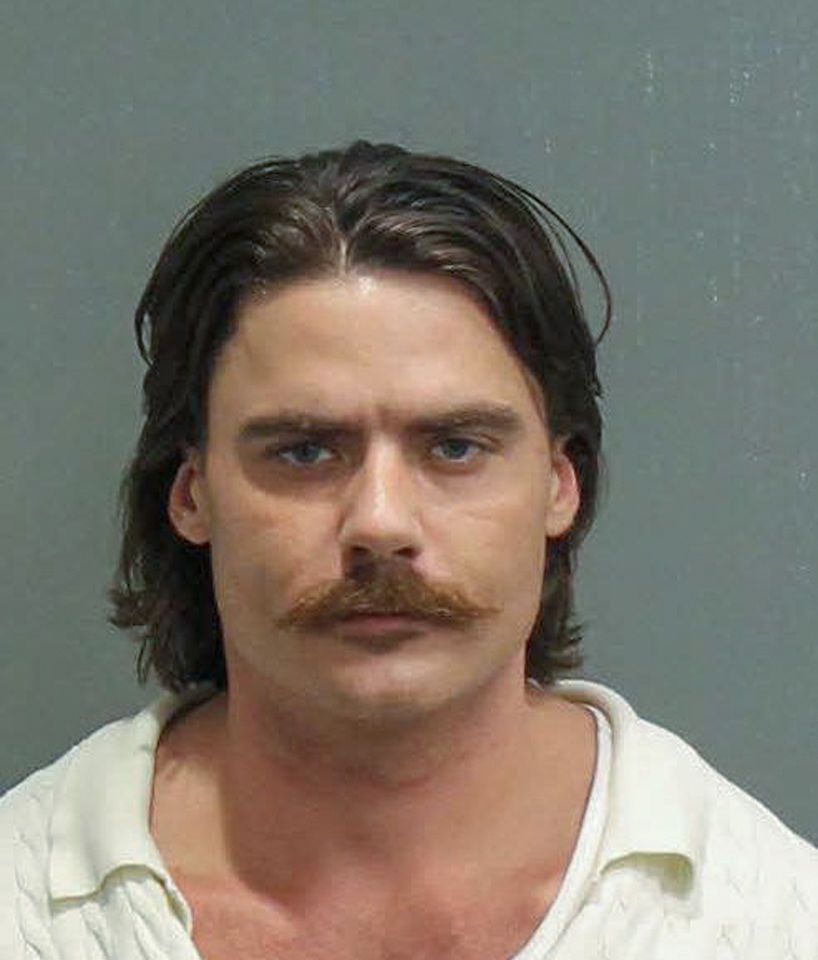
In a shocking turn of events, Dalton Eatherly, infamously known as ‘Chud The Builder,’ now finds himself facing serious legal repercussions after a violent incident that escalated from his notoriously antagonistic online persona. Eatherly, who has built a following by spewing racial slurs and targeting marginalized communities, was charged with attempted murder following a shooting incident involving a Black man. This incident raises troubling questions about the connection between online hate speech and real-world violence, showcasing how the toxic culture fostered on streaming platforms can spill into our streets.
Eatherly’s brand of hateful content, designed to provoke and undermine Black individuals, has drawn significant backlash from the very communities he seeks to demean. His livestreams often display a cavalier attitude towards race, a dangerous demeanor that has now manifested into actual violence. While the online world has been buzzing with condemnation of his actions, the question remains: how many others like him are out there, emboldened by the anonymity that the internet provides? This case serves as a stark reminder of the real-life consequences that hate speech can have.
As the legal proceedings unfold, the broader implications of Eatherly’s actions demand our attention. Activists and advocates have highlighted the necessity for stricter regulations on online hate speech, arguing that platforms must take more responsibility for the content they allow. The stakes are high, as Eatherly’s case could set a precedent for how similar incidents are handled in the future. It’s crucial for lawmakers and tech companies to come together to create a safer digital landscape, one that doesn’t foster such blatant racism and violence.
The fallout from this incident extends beyond just Eatherly; it reflects a growing concern within society about the normalization of racist ideologies. The pervasive nature of extreme views online has ignited discussions about accountability and the role of society in combating bigotry. As media consumers, we must remain vigilant against content that perpetuates hate, understanding that the words we allow to thrive in our communities can lead to devastating consequences.
In the wake of this shocking event, we are left to ponder what accountability looks like in a world where online hate can so easily translate into real-world harm. Our responsibility as a society is to stand against such toxic narratives, ensuring that those who promote violence and racism face the consequences of their actions. As Eatherly’s trial begins, we hope it serves as a clarion call for change, pushing us towards a future where hate has no platform and where justice prevails.
From The Source
About The Author