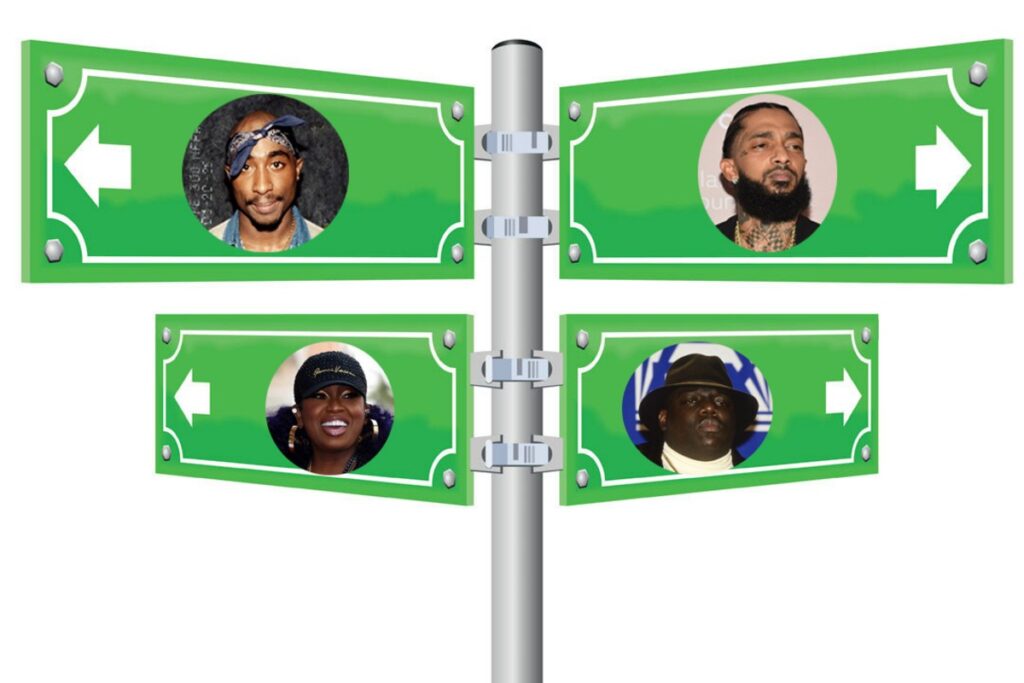
In the ever-evolving landscape of hip-hop culture, few honors resonate as deeply as having a street named after you. This recognition is not merely a tribute; it signifies the profound impact an artist has on their community and the world at large. Streets symbolize the very fabric of our neighborhoods, serving as a canvas where history is etched and culture flourishes. When a rapper’s name is emblazoned on a street sign, it immortalizes their contributions, both musically and socially.
Take, for example, the iconic Tupac Shakur, whose legacy transcends music to touch the hearts of millions. In cities like Baltimore and Atlanta, streets honor his memory, reminding us of his fight for justice and social change. Similarly, New York City boasts a street dedicated to the legendary Notorious B.I.G., whose lyrical genius captured the essence of street life and the struggles of his time. Such dedications are more than mere landmarks; they serve as daily reminders of the artists’ influence and the stories that continue to resonate with fans.
Having a street named after a rapper is a powerful statement about their ongoing relevance in the culture. It’s a nod to the way hip-hop has shaped attitudes, mobilized communities, and inspired generations. These streets become pilgrimage sites for fans, places where they can connect with the spirit of their favorite artists. They stand as symbols of resilience, creativity, and the relentless pursuit of dreams, echoing the very narratives these rappers shared through their music.
Ultimately, streets named after rappers are a testament to the genre’s indelible mark on society. They celebrate the cultural icons who transformed their struggles into art, offering their communities a voice and a platform. In a world where music often reflects the realities of life, these names etched in concrete remind us of the power of expression and the enduring legacy of hip-hop.
About The Author