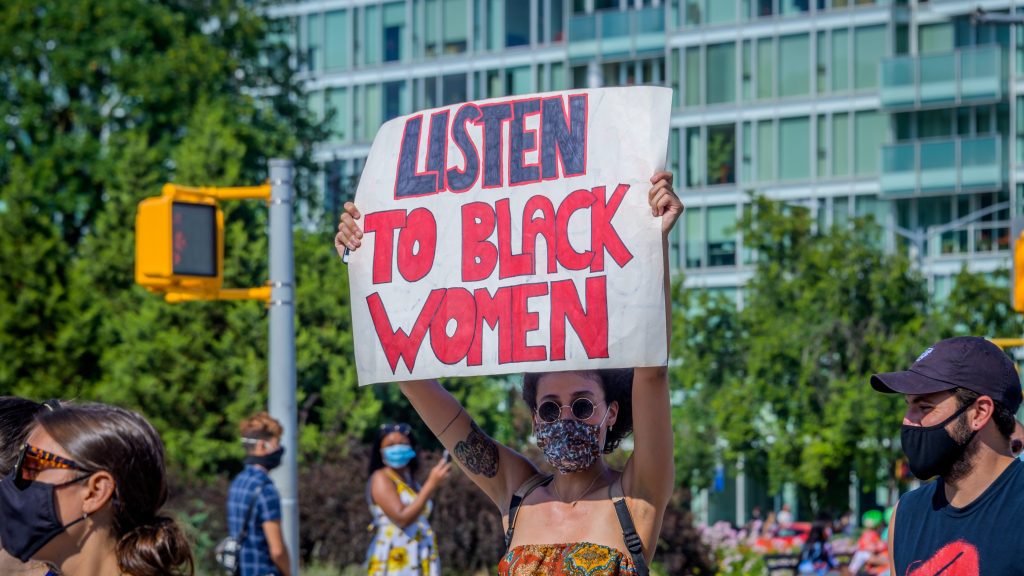
As we step into 2026, there’s a dangerous assumption floating around that we’ve made significant strides in gender and racial equality, particularly for Black women. But if the last few years have taught us anything, it’s that societal changes are often skin-deep. Misogynoir—the intersection of misogyny and racism—is not just alive and kicking; it’s thriving in the shadows of mainstream discourse. From the music industry to social media platforms, the voices of Black women are still marginalized and silenced, reminding us that slogans like ‘Listen to Black Women’ are not just catchy phrases; they are urgent calls to action.
The art we create, the stories we tell, and the struggles we face reflect a rich tapestry of resilience and strength. Yet, despite our contributions to culture, we often find ourselves fighting for recognition and respect. Misogynoir manifests in a myriad of ways, from blatant disrespect in music to subtle undermining in conversations about our rights and experiences. The need for the world to listen to Black women has never been more critical. It’s not merely about hearing our voices but actively engaging with our narratives, understanding our pain, and amplifying our triumphs.
In a landscape cluttered with noise, the message is clear: we will not be silenced. The music we produce is a testament to our power and passion. It is a reminder that when we are heard, we can change the conversation around race, gender, and equality. So as we navigate this complex world, let’s ensure that listening to Black women becomes a foundational principle rather than an afterthought. In this moment of resurgence, we must not let the world forget the vitality of our voices and stories.
About The Author