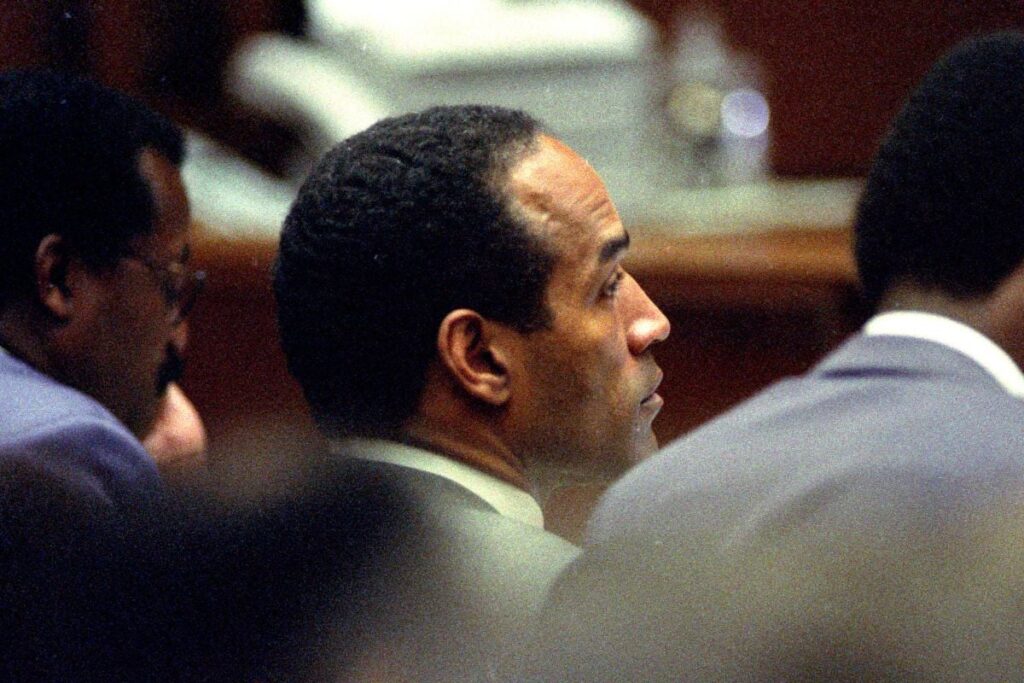
The passing of Mark Fuhrman marks the end of an era defined by his controversial role in one of America’s most infamous trials. For three decades, this disgraced former LAPD officer has lingered in the collective memory of both the public and hip-hop culture, serving as a symbol of systemic racism and police brutality. His actions during the O.J. Simpson case made him a household name, but not for reasons that anyone would be proud of. Instead, he became a cautionary tale of how power can be corrupted by prejudice and hatred.
Hip-hop artists, from Eminem to The Lox, have consistently referenced Fuhrman in their lyrics, using his notoriety as a springboard to discuss broader issues of race, justice, and inequality in America. His name became synonymous with the failures of a justice system that often targets marginalized communities, and rappers have wielded it like a weapon to critique the status quo. These artists harnessed the narrative around Fuhrman to amplify their own messages, reminding us that his legacy is not just about one man’s actions, but about the systemic issues that persist.
As news of his death reverberates, it serves as a moment of reflection on how deeply intertwined pop culture and social justice have become. Rappers have kept Fuhrman’s memory alive, not out of admiration, but as a reminder of the ongoing fight against racism and the need for reform. His death doesn’t erase the impact of his actions or the conversations they sparked. Instead, it renews a call to continue challenging the injustices that his legacy represents, ensuring that the lessons learned from this dark chapter in American history endure.
In the end, Fuhrman’s demise may close a chapter in history, but it opens the floor for continued dialogue about race relations and police accountability. Hip-hop will undoubtedly keep the conversation alive, refusing to let the lessons of the past be buried alongside the man who embodied so much of what many continue to fight against.
About The Author