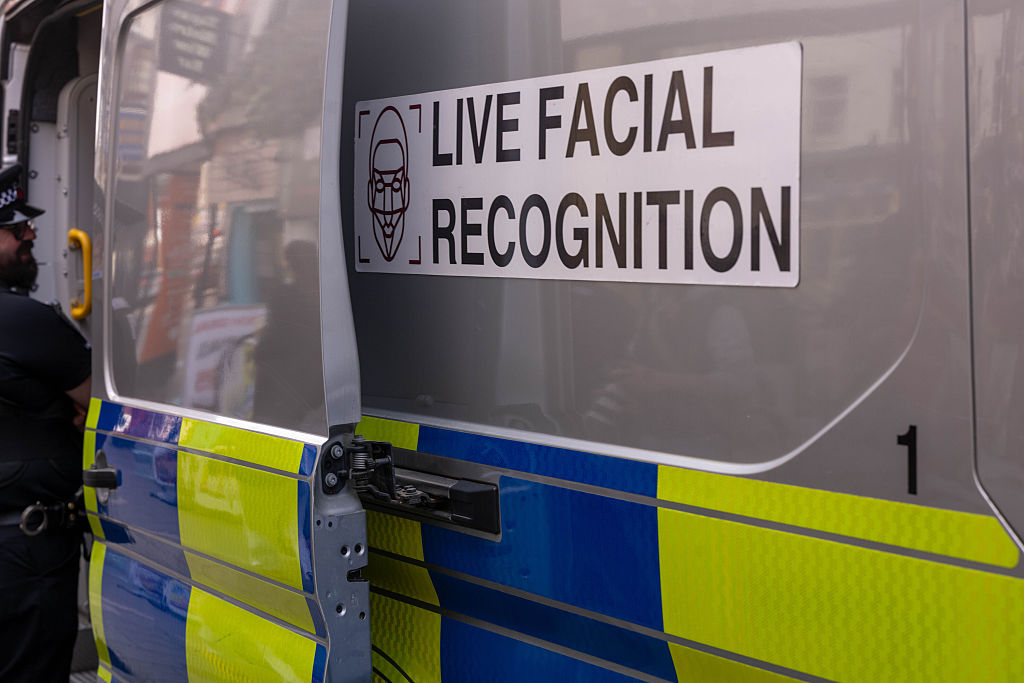
Atlanta is making headlines for its controversial new law enforcement initiative, dubbed ‘Cop City.’ This program isn’t just about increased police presence; it introduces AI-powered surveillance that disproportionately targets majority-Black neighborhoods. As community members grapple with the implications of this aggressive policing strategy, questions about civil rights and environmental justice are at the forefront of the discussion.
Critics are raising alarms about the potential for racial profiling and the erosion of privacy in a city where the majority of residents are Black. The use of advanced surveillance technology in these neighborhoods not only heightens the sense of mistrust between residents and law enforcement but also raises serious ethical concerns. As the city invests in high-tech policing, it appears to marginalize the very communities that have long been advocating for justice and equity.
Moreover, there’s an unsettling irony in how this program seeks to address crime while neglecting the underlying socio-economic issues that contribute to it. By focusing on surveillance instead of community investment, Atlanta’s ‘Cop City’ may ultimately exacerbate tensions. The people of Atlanta deserve a policing strategy that fosters trust and safety, not one that treats them as suspects in their own homes. As this story unfolds, the eyes of the nation are on Atlanta, questioning whether the price of ‘safety’ is too high when it comes at the cost of human dignity.
About The Author