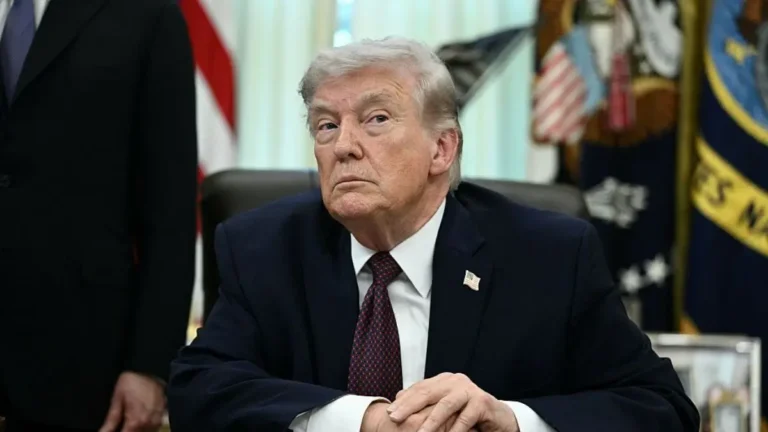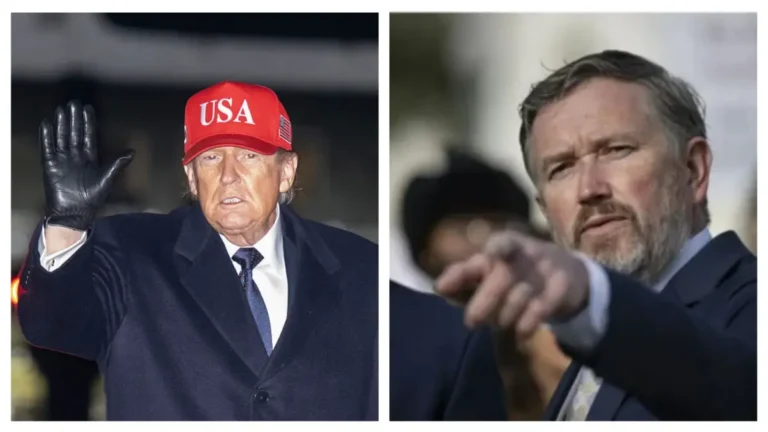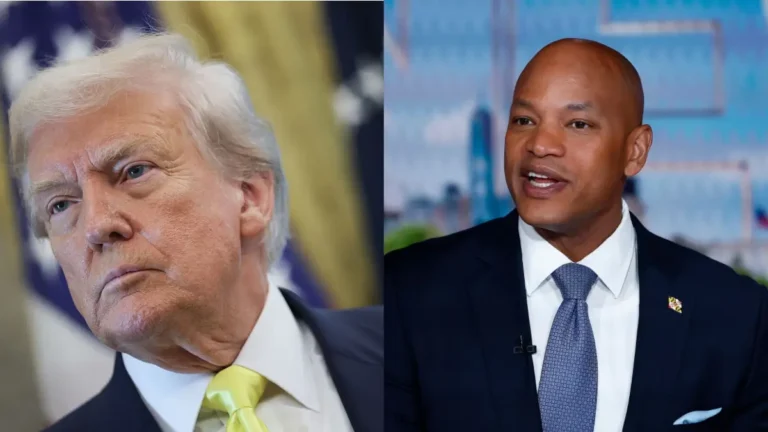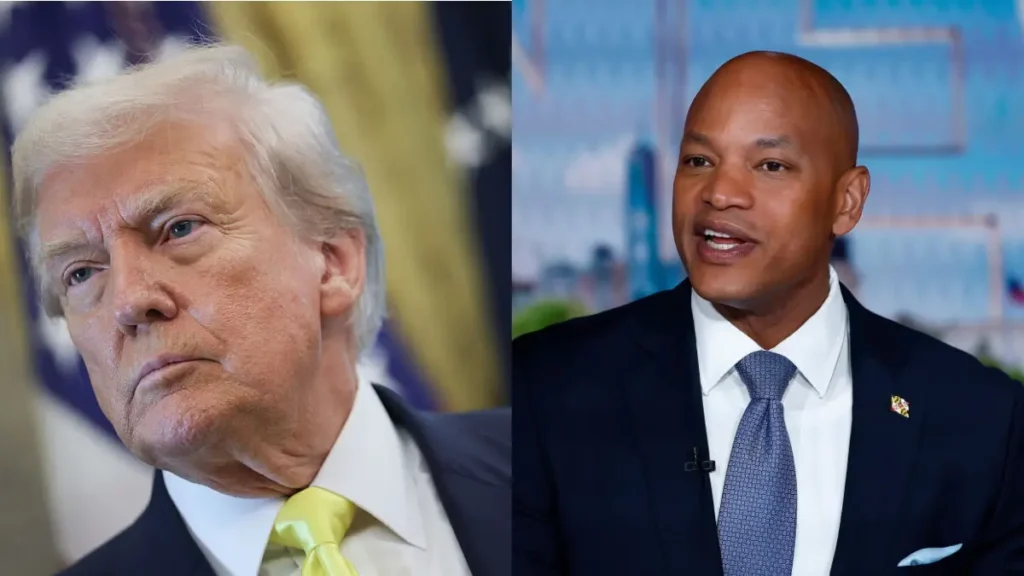
President Donald Trump has spent years building a case against mail-in ballots, and this week he found what he thought was the perfect opportunity to pounce on Maryland’s Governor Wes Moore. Trump’s obsession with discrediting opponents has led him down a rabbit hole of reckless storytelling, and during a recent event, he shared a narrative about Moore that backfired spectacularly. In a moment of unfiltered zeal, Trump recounted a tale that wasn’t just exaggerated; it was verifiably false, and it opened the floodgates for criticism and backlash.
The fallout was swift and severe. Within hours, fact-checkers and political opponents seized on Trump’s misguided anecdote, highlighting its inaccuracies and questioning his credibility yet again. As clips of his comments circulated online, they fueled a growing narrative about Trump’s inability to engage in productive political discourse, instead opting for sensationalism that lacks substance. In today’s hyper-connected media landscape, one misstep can spiral into a major controversy, and that’s precisely what happened as new evidence emerged to contradict Trump’s claims.
As if the situation couldn’t get worse for Trump, additional information surfaced that painted a different picture of Moore’s actions and policies, further undermining Trump’s attack. Rather than striking a blow against his opponent, Trump’s miscalculated remarks have only intensified scrutiny on his own approach to governance, raising more questions about his grasp on reality and the integrity of his statements. The incident serves as a stark reminder that in politics, especially in the age of social media, truth is often more powerful than fiction, and desperation can lead to disastrous consequences.
About The Author