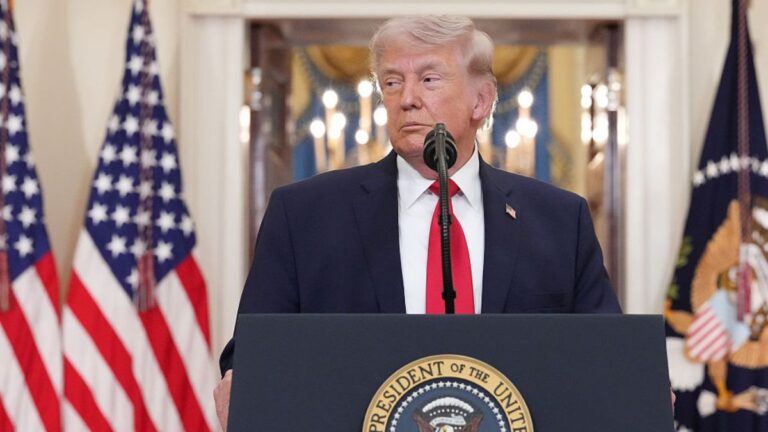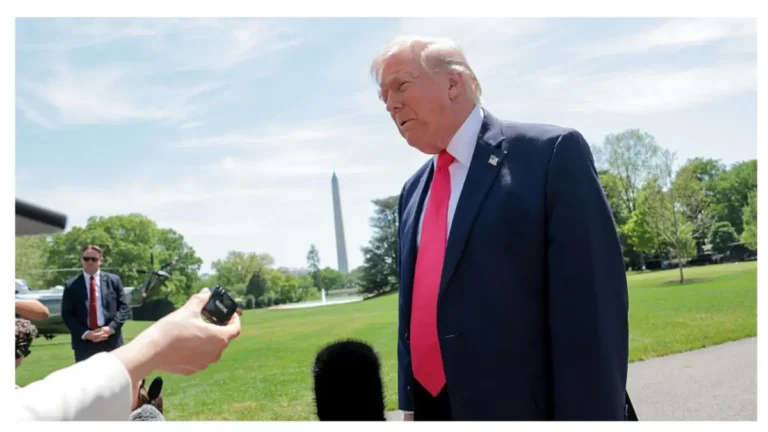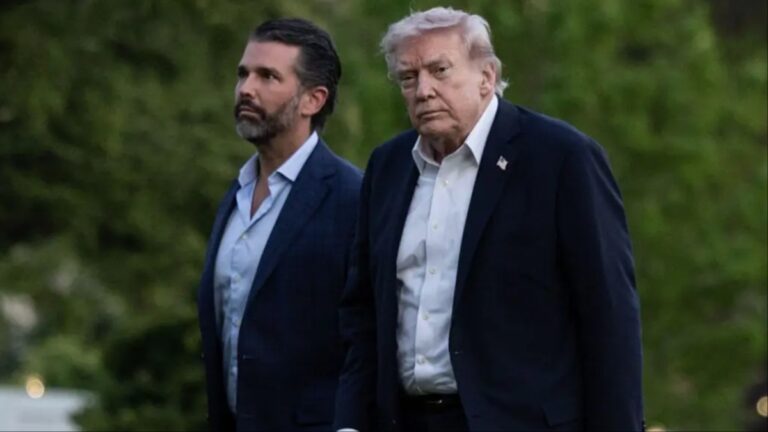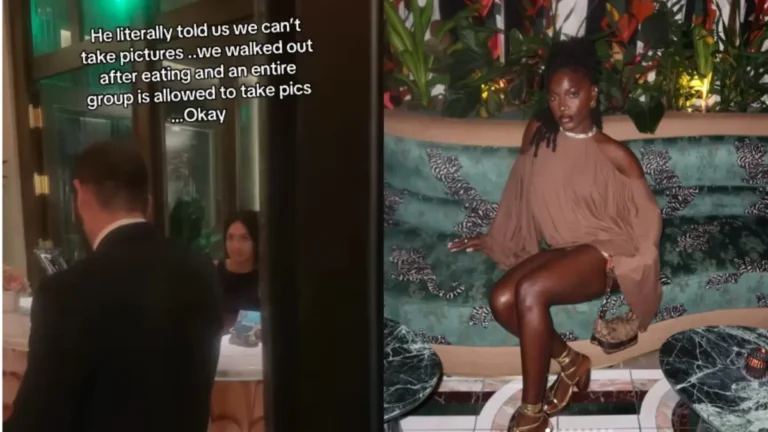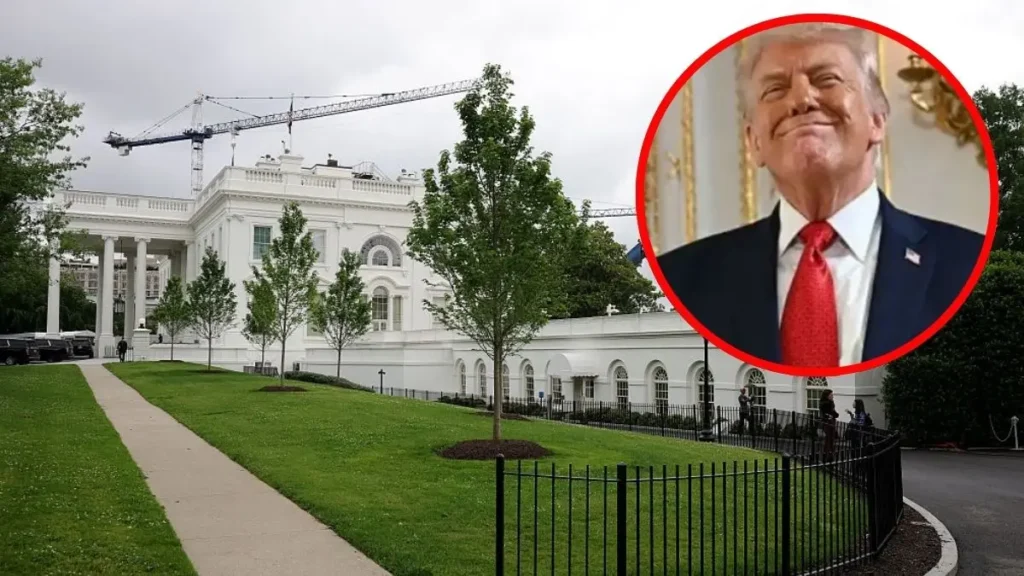
Donald Trump has never hidden his love for oversized displays, flashy aesthetics, and attention-grabbing renovations. He has spent decades building spaces designed to overwhelm the senses, from gaudy casinos to grandiose events. Yet his latest venture—a lavish UFC spectacle—has sparked outrage not just for its extravagance but for the glaring discrepancies in who is granted access to the prime seating. Critics are quick to point out that this spectacle is less about sports and more about reinforcing existing social hierarchies.
At first glance, the event seems to celebrate athletic prowess and entertainment. However, it quickly becomes clear that the real show is the VIP section, where a select few, often from privileged backgrounds, enjoy the best views and perks. This stark divide exposes a troubling reality: the elite continue to dominate spaces that should be inclusive, leaving the average fan in the cheap seats. The UFC, a sport that has cultivated a diverse following, is now overshadowed by a political spectacle that prioritizes spectacle over substance.
The backlash to this event is more than just a critique of Trump’s penchant for excess. It reflects a broader societal issue where access and privilege dictate who benefits from cultural phenomena. The UFC, which has thrived on the idea of meritocracy and opportunity, finds itself entangled in a web of exclusivity. As the cameras focus on the glamor of the event, the true question emerges: who is really getting the best seats in America, and at what cost to the ideals of fairness and equality?
In a nation that prides itself on being the land of opportunity, this unfolding drama serves as an unsettling reminder of the divisions that persist. The outcry is not merely about a sporting event gone awry; it’s about the values we champion and the voices we amplify. As this spectacle continues to unfold, it is crucial to challenge the narratives that seek to normalize inequality in all its forms.
About The Author