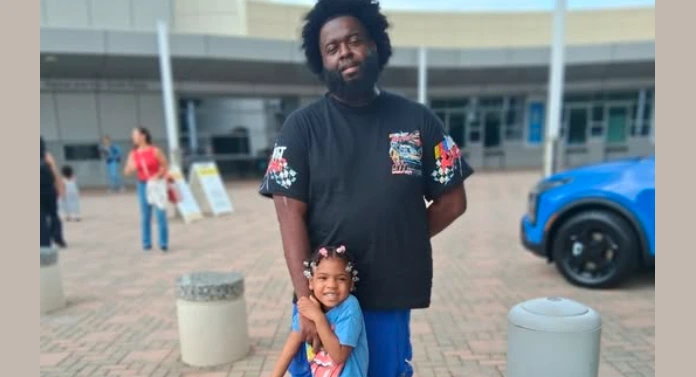
Elon Musk is no stranger to racial firestorms, but his latest claim may have run into a problem that cannot be explained away with a tweet. In his recent social media outburst, Musk has attempted to use statistical data to frame a narrative that paints Black individuals in a negative light, suggesting that violence is disproportionately directed toward other races by the Black community. This kind of rhetoric isn’t just irresponsible; it’s dangerous. By cherry-picking data to support a preconceived notion, Musk is engaging in a form of intellectual dishonesty that perpetuates harmful stereotypes.
The math behind his assertions is steeped in misinterpretation and selective reasoning. When one delves deeper into the statistics, they reveal a more nuanced reality that Musk conveniently overlooks. Crime rates, victimization, and racial dynamics are complex issues that cannot be encapsulated by simplistic numbers. The historical context of systemic racism, socioeconomic disparities, and institutional biases plays a significant role in shaping these statistics. By ignoring these factors, Musk not only undermines the truth but also fuels a narrative that has been used for generations to justify discrimination against Black people.
This isn’t just about numbers; it’s about the impact that such rhetoric can have on society. When influential figures like Musk push forward these false narratives, they embolden others to adopt similar views, often leading to real-world consequences. The danger lies in normalizing these ideas, allowing them to seep into the cultural consciousness and perpetuate cycles of violence and hatred. We must challenge these narratives and demand accountability from those in power, particularly those whose voices carry immense weight in public discourse.
Ultimately, the responsibility lies not just with Musk but with all of us to question and critically analyze the messages we receive. The math may be wrong, but the potential harm from such narratives is all too real. We have a duty to ensure that the dialogue surrounding race is rooted in truth and understanding, rather than fear and division.
About The Author



![‘Your Daddy Ain’t Your Daddy!’ — How Learning I Had Three Fathers Turned Father’s Day Into An Identity Crisis [Op-Ed]](https://powervaultnetwork.com/wp-content/uploads/2026/06/17811189244729-150x150.jpg "‘Your Daddy Ain’t Your Daddy!’ — How Learning I Had Three Fathers Turned Father’s Day Into An Identity Crisis [Op-Ed]")


![‘Your Daddy Ain’t Your Daddy!’ — How Learning I Had Three Fathers Turned Father’s Day Into An Identity Crisis [Op-Ed]](https://powervaultnetwork.com/wp-content/uploads/2026/06/17811189244729.jpg "‘Your Daddy Ain’t Your Daddy!’ — How Learning I Had Three Fathers Turned Father’s Day Into An Identity Crisis [Op-Ed]")