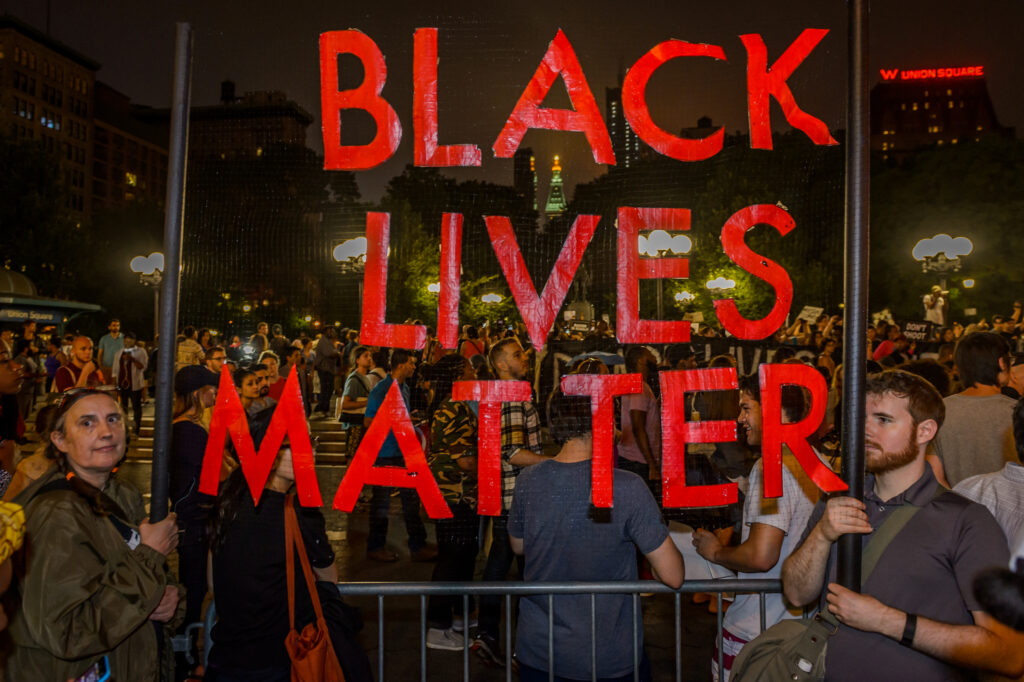
CITY HALL PARK, NEW YORK, UNITED STATES - 2016/07/09: For the third day in a row the Black Lives Matter movement took the streets of New York to protest police brutality in the aftermath of the release of the security camera video capturing the death of Delrawn Small contradicting the NYPD story spread on the media. An unconfirmed amount of arrests have been reported. (Photo by Erik McGregor/Pacific Press/LightRocket via Getty Images)
The U.S. justice system has long been marred by systemic injustices that disproportionately affect Black Americans. From wrongful convictions to discriminatory sentencing practices, the failures are glaring and deeply rooted in a history that refuses to acknowledge its own biases. Time and again, the very institutions meant to uphold justice have instead perpetuated inequality, leaving countless individuals and families shattered in their wake.
High-profile cases have shone a harsh light on these injustices, with tragic outcomes that reveal the stark truth: Black lives are often valued less in the eyes of the law. The brutal murder of George Floyd ignited a global movement, but it is just one of many instances where the justice system has fallen tragically short. The cycle of accountability remains broken, with police misconduct and lack of consequences reinforcing the perception that justice is not blind, but selectively applied.
This ongoing failure is not merely a series of isolated incidents; it is a reflection of a broader societal issue that demands urgent attention. Communities across the nation are calling for reform, demanding a system that genuinely serves all citizens equally. If the justice system is to regain any semblance of credibility, it must confront its own shortcomings and strive to dismantle the structures that have long perpetuated racial injustice. Only then can we hope for a future where every person, regardless of race, can trust that they will receive fair treatment under the law.
About The Author