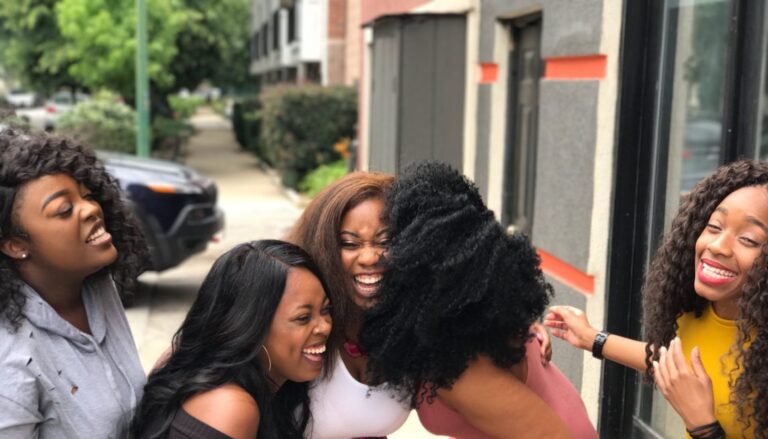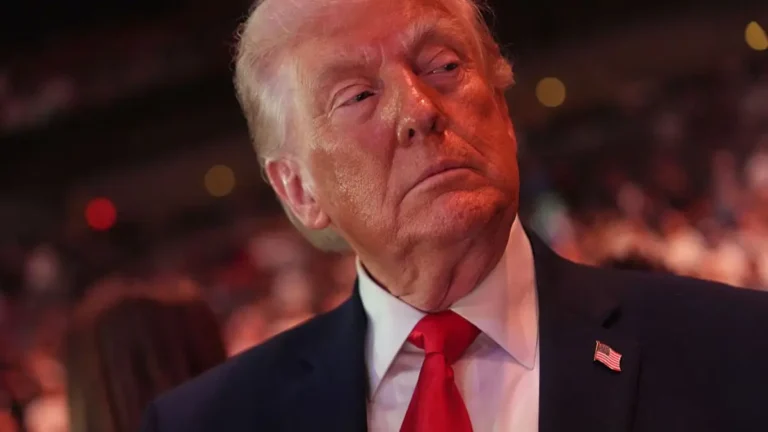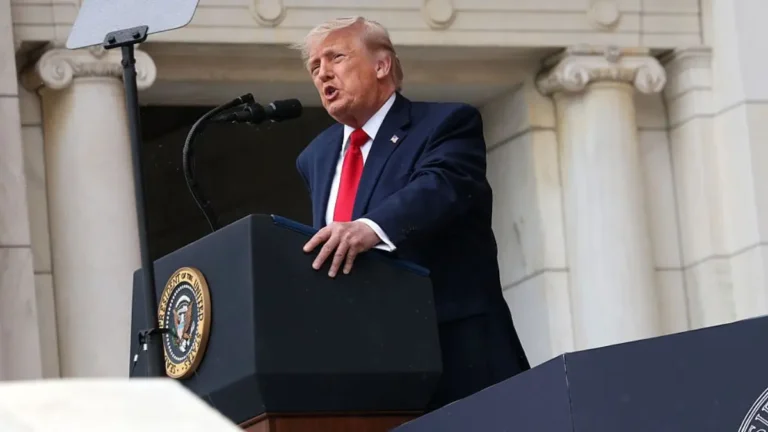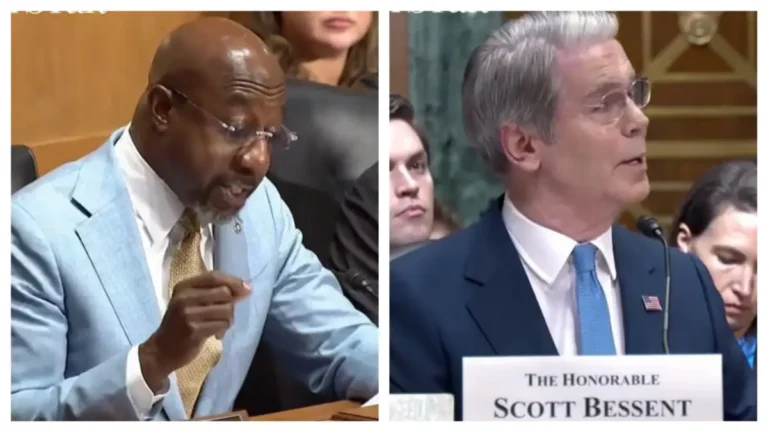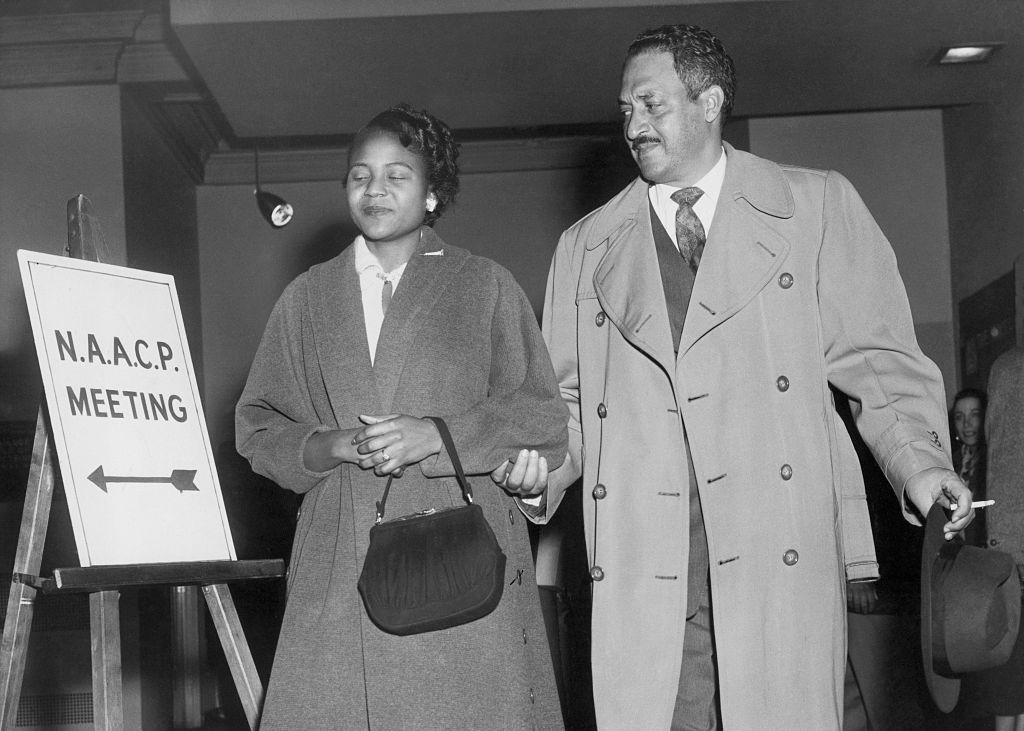
As we step into Black History Month, it’s essential to recognize that the very act of celebration is not just a matter of tradition; it’s a political statement. In an era where the future is uncertain, with an administration that has shown a willingness to challenge the very fabric of our societal norms, we must question the longevity of our cherished commemorative months. Black History Month is more than just a time for reflection; it has become a battleground for cultural recognition and political legitimacy. With the tides of political discourse shifting dramatically, we must ask ourselves: how long will this celebration remain a staple in our national consciousness?
The dangers of complacency are all too real. Efforts to reshape or erase significant cultural and historical acknowledgments like Black History Month and Juneteenth could become increasingly prevalent. This is not merely a hypothetical concern; we’ve seen similar narratives play out across the country, where discussions about educational content and historical representation have sparked fierce debates. The potential for these observances to be marginalized or eliminated entirely is a fear that we cannot afford to ignore. Activists, educators, and community leaders must remain vigilant and vocal, reminding us of the rich contributions of Black Americans and the ongoing struggle for equality.
Now more than ever, this month calls for more than just celebration; it demands action. We need to leverage this time to galvanize support and ensure that the history we honor is not relegated to the past. We must advocate for the preservation of our cultural landmarks while pushing against the tide of erasure that threatens to redefine our narratives. If we approach this month with the belief that our current administration could sweep these celebrations away, we might just find ourselves fighting not only to celebrate but to remember.
About The Author