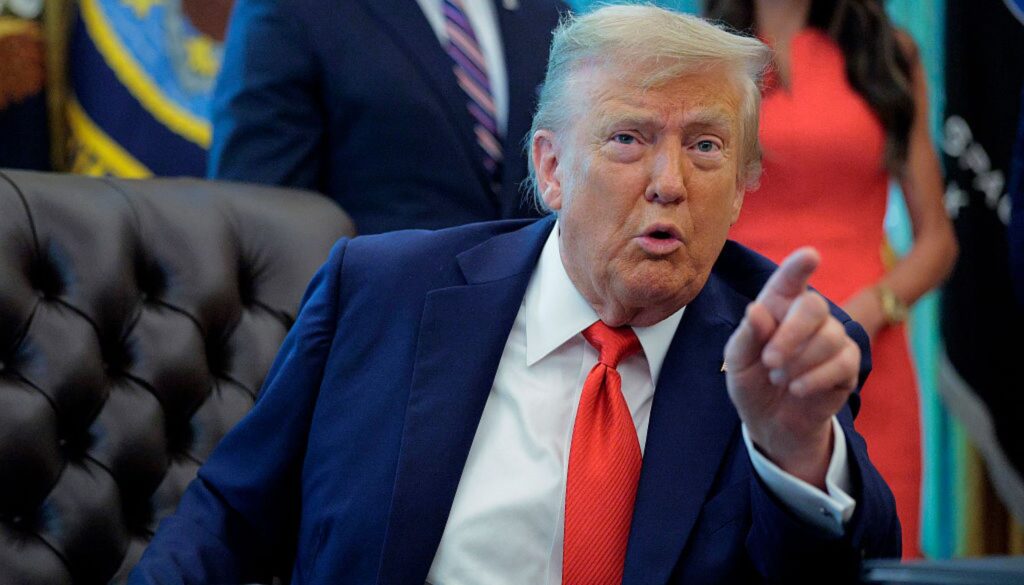
In a significant turn of events, the name of former President Donald Trump has officially been removed from the Kennedy Center, following a ruling that underscores the complexities of naming rights in American institutions. A federal judge determined that only Congress has the authority to change the name of the prestigious cultural center, leading to the swift removal of Trump’s name from its facade. This decision marks a notable chapter in the ongoing debate over how public spaces choose to honor or critique political figures.
However, despite the removal itself, onlookers are left scratching their heads as to why they can’t yet see the absence of Trump’s signature. The physical removal of the name isn’t as straightforward as you might think; it involves significant logistics and planning. The process of altering the Kennedy Center’s branding is not merely about taking down letters but also ensuring that the integrity and aesthetics of this iconic structure remain intact. As such, it’s expected that the full effects of the ruling will take some time to materialize.
This situation has ignited discussions about the implications of naming rights and the values these names represent. The Kennedy Center, a beacon of American arts and culture, has been thrust into the spotlight, prompting a reevaluation of whom we choose to honor in public spaces. As the dust settles, it’s clear that this episode is more than just a name change; it’s a reflection of the broader cultural landscape in America today. The removal of Trump’s name is more than a symbolic gesture; it’s a moment that encapsulates ongoing divisions and the quest for a narrative that resonates with contemporary values.
About The Author