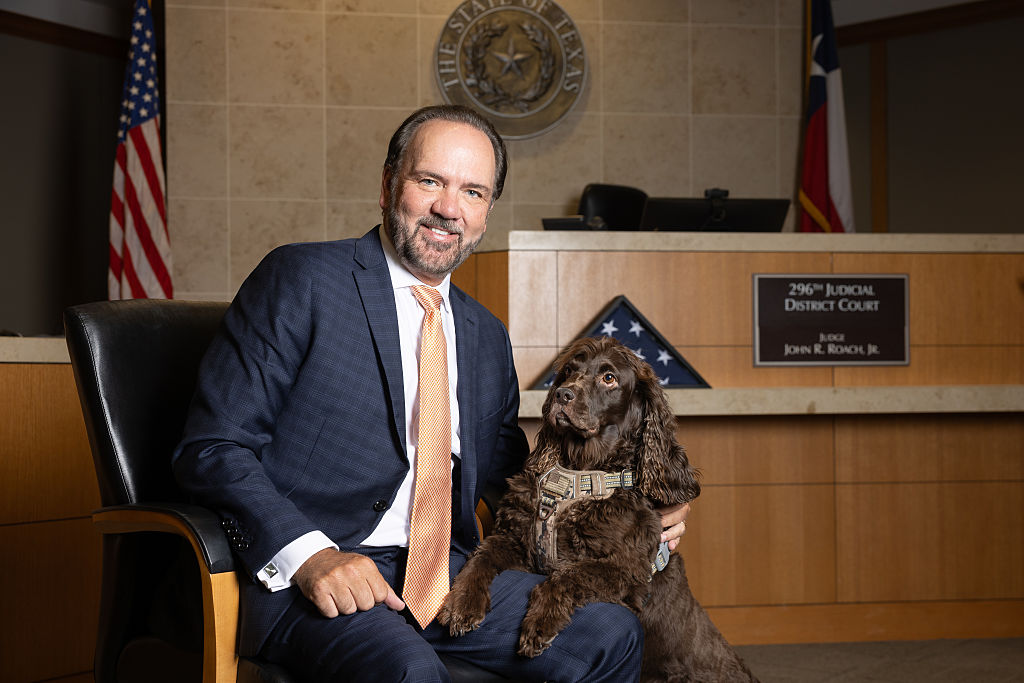
In a recent statement, Judge John Roach has openly acknowledged the backlash he faced from the public regarding his decision to ban cameras during the high-profile murder trial of Karmelo Anthony. This controversial ruling has stirred a heated debate about transparency and the role of media in the courtroom. Many have expressed their outrage, feeling that such an important case should be accessible for public scrutiny. Roach’s admission highlights the delicate balance judges must navigate between maintaining courtroom decorum and satisfying public interest.
Despite the growing discontent, Judge Roach stood firm in defending his verdict. He emphasized that the integrity of the trial process was paramount, stating that his decision was made with the intention of ensuring fairness for all parties involved. According to Roach, the absence of cameras allowed for a more controlled and focused environment, free from the distractions that media presence can bring. However, as public sentiment grows increasingly skeptical, the judge’s resolve may face further challenges as more voices call for accountability and transparency in the legal system.
The Karmelo Anthony trial not only serves as a legal battleground but also highlights the ongoing struggle between the judiciary and societal expectations. With technology and media evolving rapidly, the court’s traditional practices are increasingly scrutinized. Roach’s candid acknowledgment of the anger he incited reflects the complexities of modern trials, where public sentiment can clash with legal principles. As this case progresses, the conversation around courtroom access and media influence will likely continue to evolve, and the implications of Roach’s decisions may resonate far beyond this high-profile trial.
About The Author