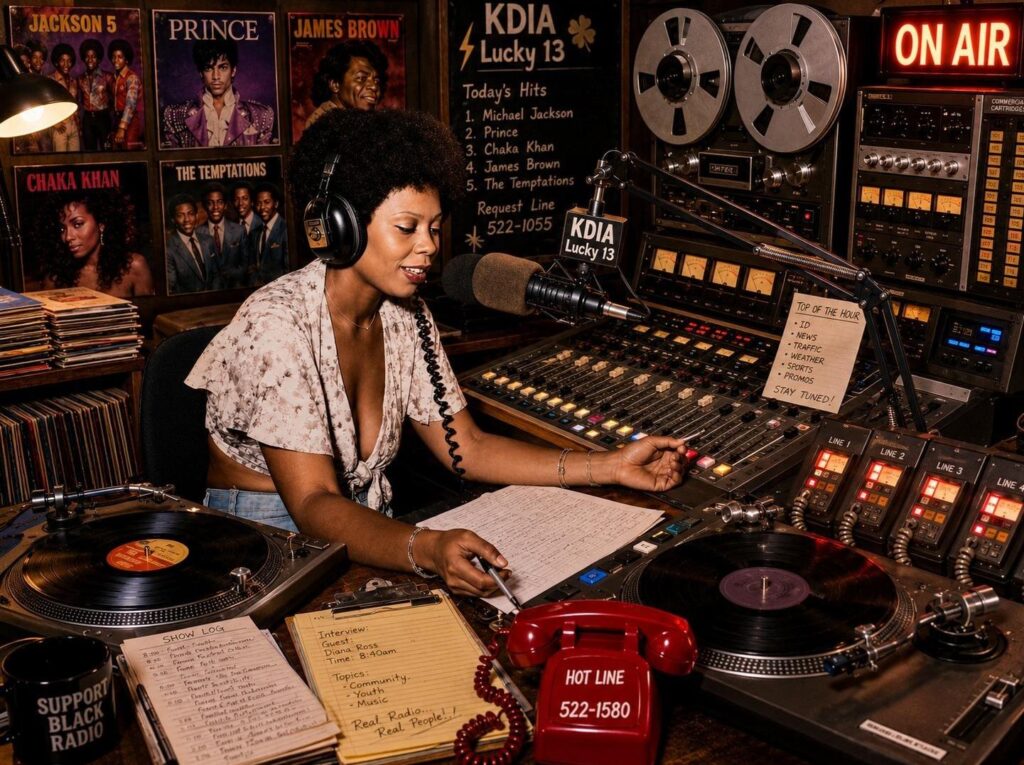
They wanted our rhythm, but they locked out our blues. The systemic eradication of Black media infrastructure—from the boardrooms to the engineering consoles—has been a silent but powerful narrative in the history of American broadcasting. The journey of Black radio from a vibrant cultural force to a shadow of its former self is not merely a story of loss; it is a tale of resilience and a reflection of the ongoing struggle against systemic erasure.
During the height of racial upheaval between 1960 and 1980, Black radio thrived, providing a platform for unheard voices and shaping the cultural landscape. Shows that celebrated Black identity and music flourished as the airwaves became a battleground for civil rights. Yet, as the industry began to consolidate, the triumphant sounds of soul and funk were sidelined, and the silence that followed was deafening. The unsegregated airwaves that once pulsed with life began to feel the oppressive weight of corporate interests determined to suppress the very heartbeat of Black culture.
Today, as modern algorithms dictate what we hear and see, we must confront the reality of a media landscape that continues to echo the past. The legacy of Black radio is not merely a relic; it serves as a cautionary tale about the power dynamics that dictate what voices are amplified and which are silenced. The resurgence of interest in Black voices and stories is promising, yet without a commitment to dismantling the structures that have historically marginalized these narratives, we risk repeating history. The stolen dial is a reminder that the fight for representation is far from over, and the rhythm of resistance must continue to resonate.
About The Author