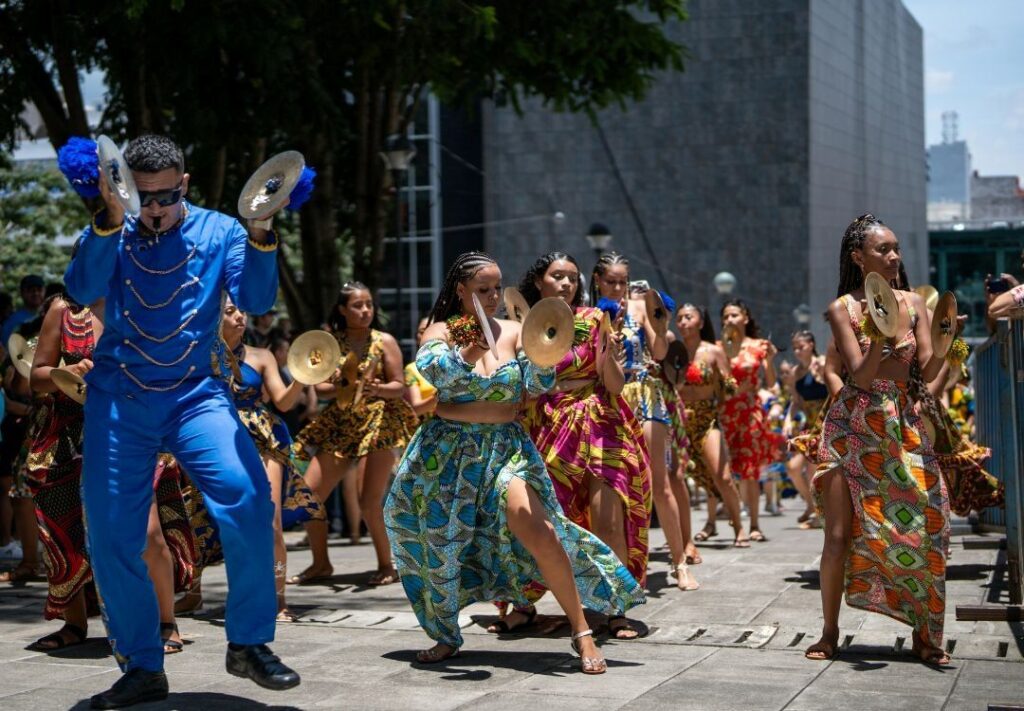
Juneteenth stands as a monumental celebration within African American history, symbolizing the resilience and strength of a community that has faced tremendous challenges. It marks the day in 1865 when news of the Emancipation Proclamation finally reached the last enslaved African Americans in Galveston, Texas—two and a half years after it was issued. This holiday is not merely a commemoration; it serves as a reminder that freedom was a hard-fought battle, a battle that continues to resonate through the struggles and victories of today.
Many people might be surprised to learn that Juneteenth was not widely recognized until recently. Despite its significance, it was often overshadowed by the more commonly celebrated Independence Day. Yet, the observance of Juneteenth has roots that stretch back more than 150 years, evolving from local celebrations in Texas to a national holiday that was officially recognized in 2021. This shift reflects a growing acknowledgment of the importance of understanding and confronting our country’s complex history, including the ongoing impacts of slavery and systemic racism.
The holiday is rich with traditions that highlight African American culture and heritage, including parades, music, and family gatherings. It is a day of reflection, joy, and education, a time to not only celebrate freedom but also to engage in discussions about social justice and equality. As we observe Juneteenth, we must remember that it is not simply a day off work; it is an invitation to learn, advocate, and participate in the ongoing journey toward true liberation for all.
About The Author