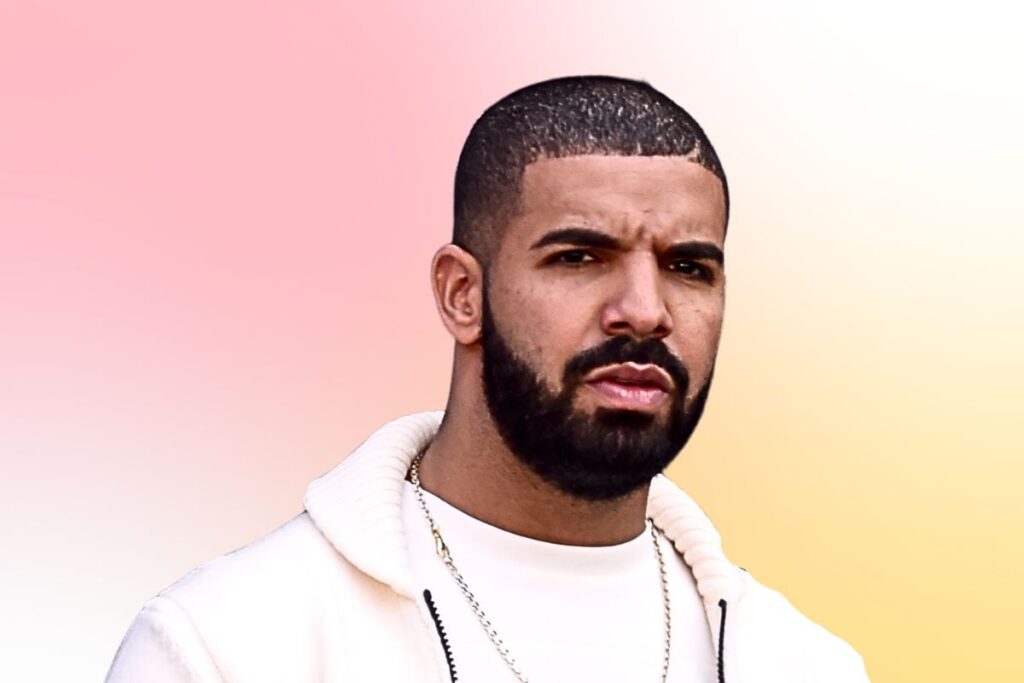
In a recent courtroom showdown, Spotify has emerged victorious against rapper RBX in a lawsuit that claimed the streaming giant was turning a blind eye to fake streams linked to some of the biggest names in the game, most notably Drake. A federal judge tossed the case out, suggesting that the allegations lacked concrete evidence and were speculative at best. This ruling sends a clear message: the business of streaming is not so easily ruffled by baseless claims.
RBX, known for his contributions to the West Coast hip hop scene, argued that Spotify’s negligence allowed for inflated streaming numbers, particularly around high-profile artists. However, the judge’s dismissal highlights a significant skepticism towards the idea that Spotify would intentionally overlook such fraudulent activities. Instead, the court’s verdict underscores the complexity of the streaming landscape, where the lines between genuine engagement and inflated numbers can often blur.
The implications of this ruling resonate across the hip hop community and the broader music industry. As artists grapple with the realities of streaming revenue and the challenges of standing out in a saturated market, the focus on verified streams versus fake ones remains a hot topic. The dismissal of RBX’s lawsuit could pivot the conversation back to the artists themselves, urging them to enhance their authenticity rather than blaming platforms for perceived injustices.
In the end, this verdict marks a significant moment for Spotify and the music industry at large. It signals that while the temptation to blame streaming services for skewed numbers is strong, accountability lies equally with artists and their practices. As hip hop continues to evolve in the digital age, these discussions around authenticity and the intricacies of streaming are more critical than ever.
About The Author