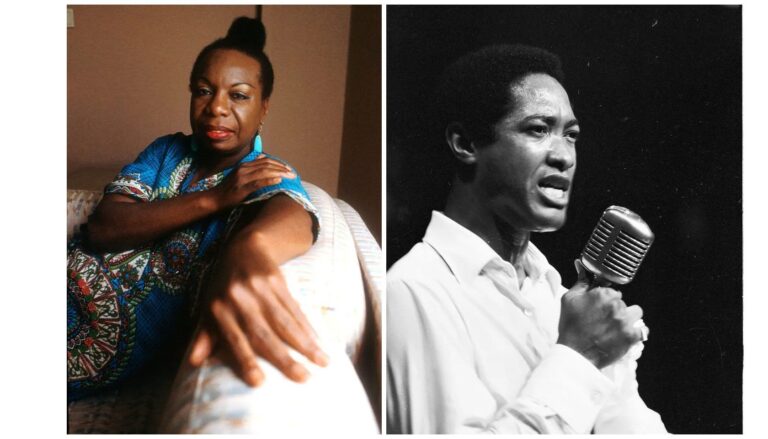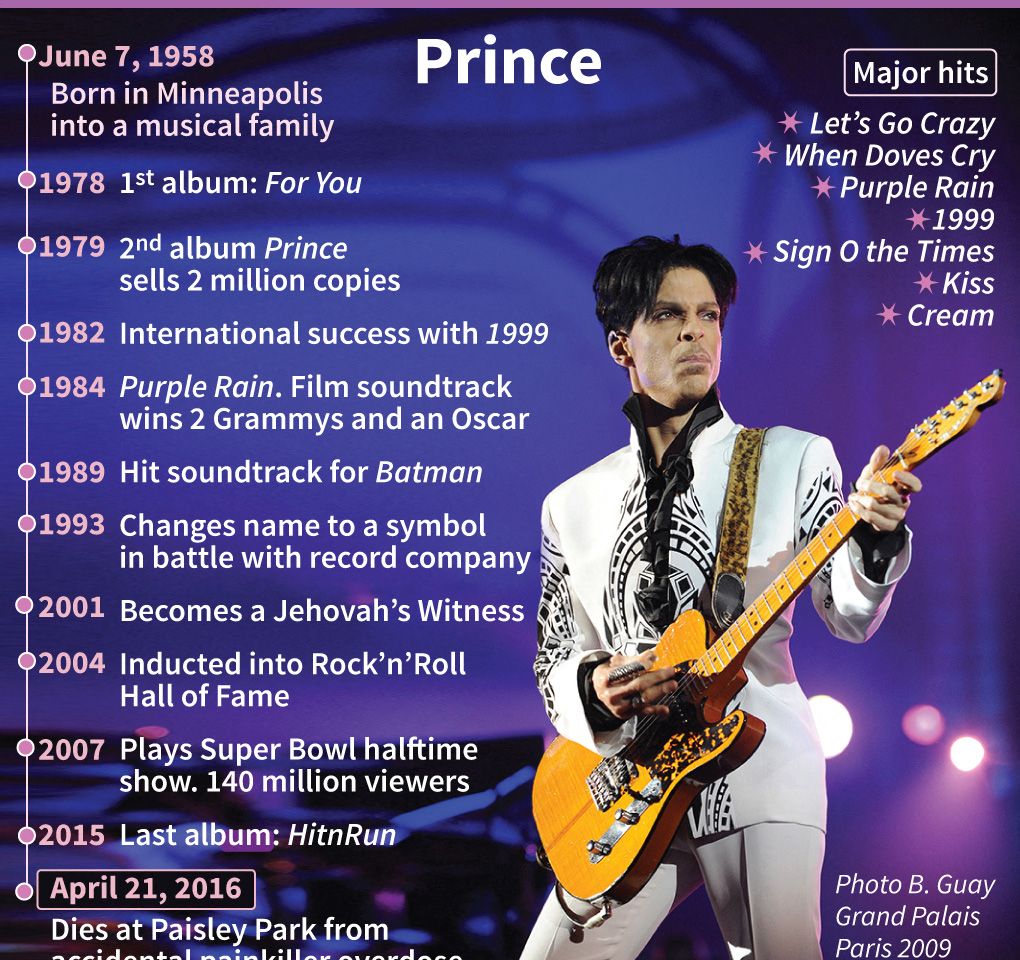
The narrative surrounding Black music is marred by a long history of exploitation that stretches back generations. From the early days of blues and jazz to the contemporary sounds of hip-hop and R&B, Black artists have often found themselves trapped in a cycle of broken contracts, unpaid royalties, and the theft of their creative work. This exploitation is not merely a relic of the past; it continues to plague the industry today, as many Black musicians battle against a system designed to benefit those in power while leaving the artists themselves struggling to survive.
As these artists have poured their souls into their craft, the music industry has repeatedly failed to honor their contributions. Record labels have frequently taken advantage of their talent, signing them to contracts that prioritize profit over fairness. The result? Countless tracks go uncredited, and royalties disappear into the pockets of executives. This systemic injustice has fostered an environment where the very voices that create the soundtrack of our lives are silenced by greed and exploitation.
Yet, in the face of adversity, many Black artists are finding their voices, speaking out not only for themselves but for those who came before them and those who will follow. They are not merely fighting for personal gain; they are challenging an entire industry to recognize the worth of their art and to implement fair practices that honor their legacies. From social media campaigns to high-profile lawsuits, these artists are demanding accountability and change, pushing back against a long-standing culture of exploitation.
It’s time to acknowledge that the fight against exploitation in the music industry is bigger than just the artists involved; it represents a broader struggle for equity and justice within the creative world. When Black artists speak out, they are not only reclaiming their narratives but also paving the way for future generations to thrive in an industry that has historically sought to diminish their contributions. This is a pivotal moment, and we must listen closely to what these voices are saying.
About The Author