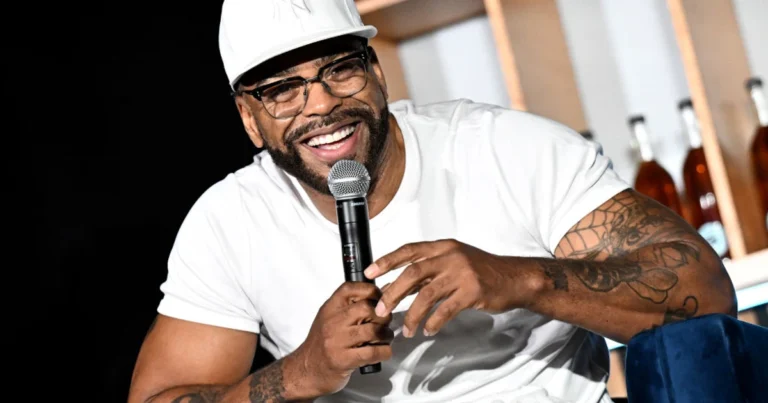
In the ever-evolving landscape of hip-hop, where artists rise and fall at the speed of social media, James Rosemond Jr. is carving out a legacy that echoes far beyond the confines of the music charts. As the manager of Ice Spice, Rosemond is not just another name in the game; he’s a strategic powerhouse, breathing new life into an industry that often overlooks the long-term vision in favor of quick hits. With his eyes set on the future, James is more than just a manager; he’s becoming one of hip-hop’s foremost architects, reshaping the narrative around what it means to succeed in this space.
The Rosemond family name carries weight—not just because of James’s father, James “Jimmy Henchman” Rosemond, who made waves in the 90s and early 2000s but also because James Jr. is determined to flip the script. He’s making moves that are not only beneficial for his artists but also impactful for the culture at large. By prioritizing authenticity and nurturing talent, he’s establishing a new model of artist management that emphasizes empowerment over exploitation. This shift is crucial in an industry often marred by stories of artists being chewed up and spit out by the very structures designed to uplift them.
With Ice Spice, Rosemond is proving that artistry and business acumen can go hand in hand. Their partnership exemplifies a refreshing approach where creativity fuels commercial success rather than the other way around. He understands that Ice Spice isn’t just a viral sensation; she’s an artist with a voice and a vision that resonate deeply with her generation. In a world where the industry is quick to typecast Black women, Rosemond is helping her carve her own path, acknowledging her multifaceted identity while amplifying her unique sound.
But James’s ambitions reach beyond just one artist. He’s on a mission to set a precedent for future executives, especially those from underrepresented backgrounds. His vision includes cultivating a new wave of artists who bear the same raw authenticity that he champions. In a time when music executives often come from Ivy League schools and are disconnected from the very culture they profit from, Rosemond’s presence is a testament to what happens when someone who understands the struggle takes the helm. He embodies the hustle and determination that many of us recognize as part of our own narratives.
As Rosemond continues to rewrite the music executive playbook, we are reminded that the future of hip-hop rests in the hands of those courageous enough to challenge the status quo. His journey is not just about managing artists; it’s about reshaping the entire industry for the betterment of Black culture. With his blend of intelligence, intuition, and respect for tradition, James Rosemond Jr. is not merely a player in the game—he’s becoming a legend in the making.
About The Author