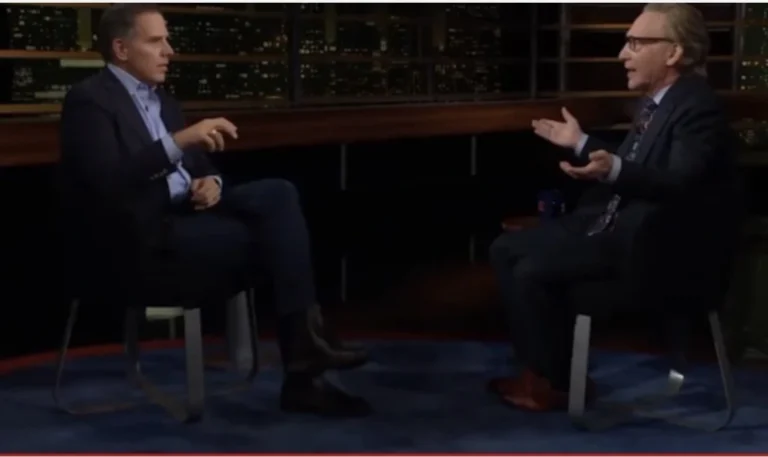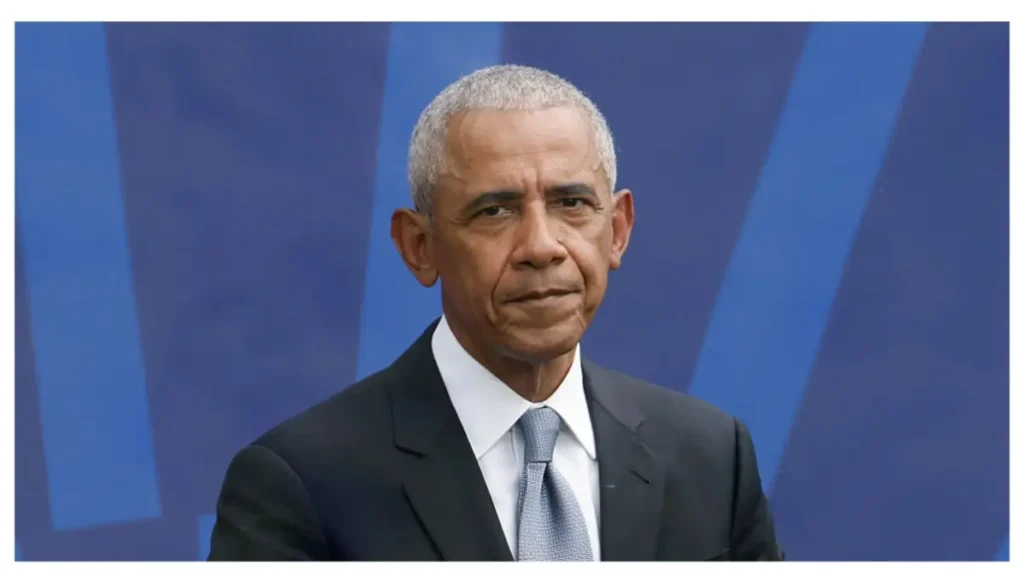
As the nation prepares to mark the 250th anniversary of the signing of the Declaration of Independence, former President Barack Obama is sparking an online debate that resonates deeply with America’s complex racial history. During a recent discussion, Obama boldly addressed George Washington’s legacy as a slaveholder, a topic often glossed over in the fervor surrounding the Founding Fathers. His remarks challenge the romanticized image of Washington and highlight the uncomfortable truths that underpin our nation’s founding.
However, it was a single comment about Washington’s ‘genius’ that set social media ablaze. Many took to platforms like Twitter and Instagram to voice their outrage, feeling that the term ‘genius’ should not be used to glorify someone who upheld the institution of slavery. Critics argue that by referring to Washington’s intellectual prowess without addressing the moral implications of his actions, Obama risks perpetuating a narrative that overlooks the suffering inflicted upon enslaved people. It’s a stark reminder that even revered figures in American history must be scrutinized through a modern lens of ethical accountability.
This incident is more than just a social media moment; it’s a reflection of a broader conversation about how we engage with our nation’s past. As we approach a significant anniversary, it is crucial to navigate these discussions with honesty and courage. The dialogue around Washington and other Founding Fathers must include their complex legacies, which involve both remarkable achievements and profound moral failures. In doing so, we can honor the full spectrum of history and ensure that the voices of those who were marginalized are heard.
About The Author