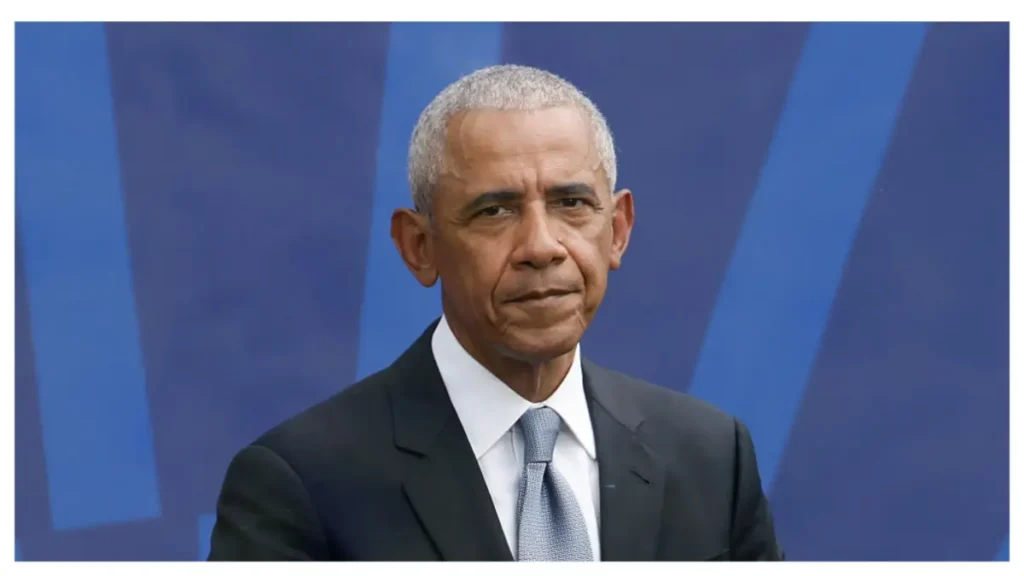
As the nation prepares to mark the 250th anniversary of the signing of the Declaration of Independence, former President Barack Obama is sparking an online firestorm with his candid reflections on George Washington. During a recent speech, Obama didn’t shy away from addressing the complex legacy of the nation’s first president, focusing particularly on Washington’s role as a slaveholder. This bold acknowledgment resonates deeply as America grapples with its history, especially in a time where discussions about race and historical accountability are more crucial than ever.
However, it was Obama’s seemingly innocuous remark about Washington’s ‘genius’ that ignited a heated debate across social media platforms. Critics argue that praising a figure like Washington, who benefited from the institution of slavery, undermines the struggles of countless enslaved individuals and diminishes the impact of their suffering. Supporters, on the other hand, highlight that recognizing Washington’s intellect and leadership does not erase the injustices of his actions but rather presents an opportunity to engage in a more nuanced conversation about history.
This clash of perspectives highlights a significant tension in American discourse: how do we honor historical figures while also acknowledging their failings? Obama’s comments have prompted a flood of reactions, calling for a reassessment of how we teach American history, particularly as it relates to its most celebrated figures. The social media firestorm underscores a growing demand for more inclusive narratives that reflect the complexities of our past.
As we approach this pivotal anniversary, Obama’s words serve as a reminder that history is not black and white. It’s a tapestry woven with contradictions, triumphs, and deep injustices. Engaging with these truths is not just about remembering the past; it’s about shaping a future that learns from it.
About The Author