By Renee Fontaine, PowerVault Staff
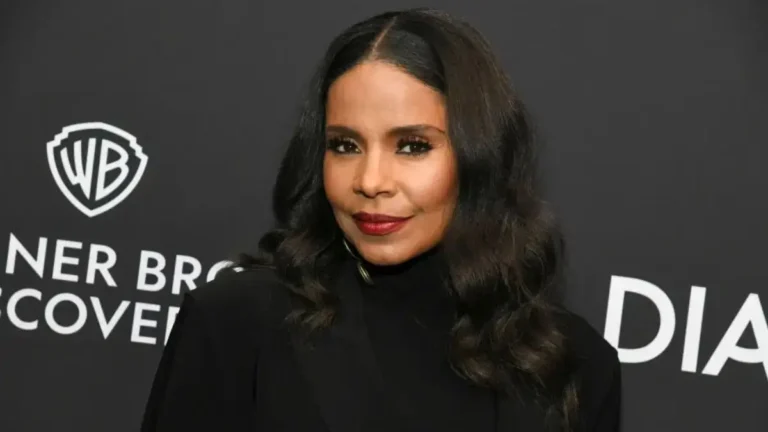
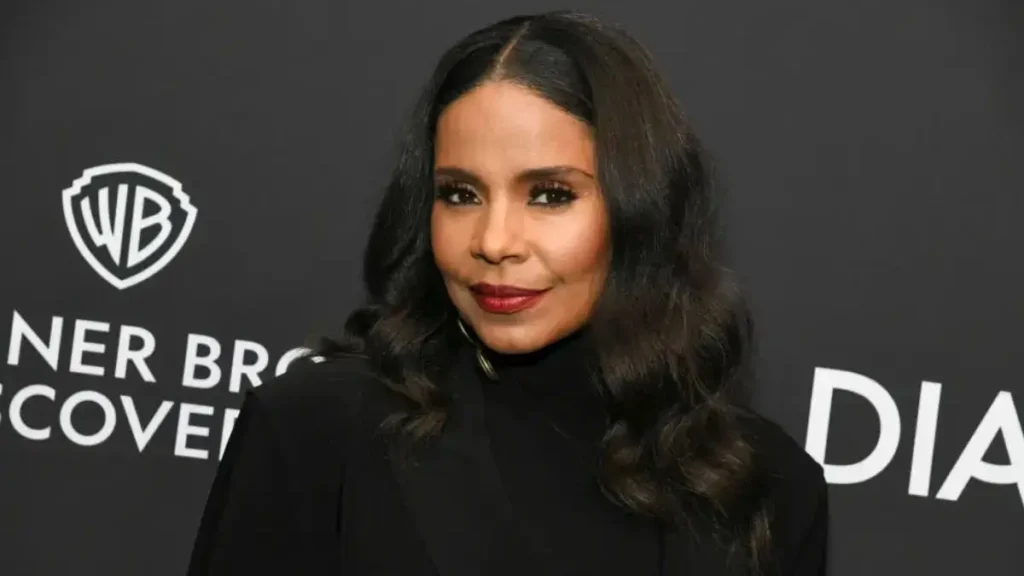
In a recent candid moment before a captivated audience, actress Sanaa Lathan opened up about a family history that has haunted her and a personal battle with addiction that brought her to a breaking point. Known for her powerful performances in films such as “Love & Basketball” and “Brown Sugar,” Lathan’s vulnerability reveals a side of celebrity life that isn’t often shared—a hidden struggle that nearly derailed her career and led her to confront uncomfortable truths about herself.
For those who’ve followed Lathan’s career, it’s easy to see her as a pillar of strength—an icon in the Black film landscape who broke barriers and paved the way for many. Yet, her admission underscores an uncomfortable reality: the pressures of success can often come at a steep price. Lathan’s family curse isn’t just a metaphorical weight; it represents generational trauma and the unspoken struggles that many in our community face. It’s a stark reminder that behind the glitz and glamour of Hollywood, real-life battles are often fought silently, away from the public eye.
This moment is pivotal for our culture. Lathan’s bravery in sharing her story can serve as a catalyst for conversations about mental health and addiction in the Black community—issues that have historically been stigmatized and swept under the rug. By opening up, she encourages others to confront their own struggles, reminding us that vulnerability is not a weakness but rather a path to healing. In a society that often demands we wear our strength like armor, Lathan’s revelation shines a light on the importance of breaking down walls and embracing the complexities of our human experience.
Reflecting on this moment, it’s essential to draw parallels to similar instances in our culture where vulnerability has ignited change. Think of the late rapper Nipsey Hussle, who spoke openly about his past struggles before his tragic death. His authenticity inspired a generation to confront their own demons and strive for greatness despite adversity. Just as Nipsey’s legacy continues to resonate, Sanaa’s openness reminds us that confronting our truths can be a powerful act of resistance against the stereotypes that seek to define us.
As we look to the future, we should monitor how this conversation develops within the industry. Will more prominent figures in Hollywood step up and share their struggles, dismantling the narrative of the invulnerable celebrity? Will this lead to greater mental health initiatives and support systems tailored for Black creatives? Sanaa Lathan’s bold admission is more than just a personal story; it’s a rallying cry for authenticity, encouraging us all to embrace our narratives, no matter how messy they may be. In doing so, we can empower not just ourselves but also the generations that come after us.
About The Author