By Renee Fontaine, PowerVault Staff
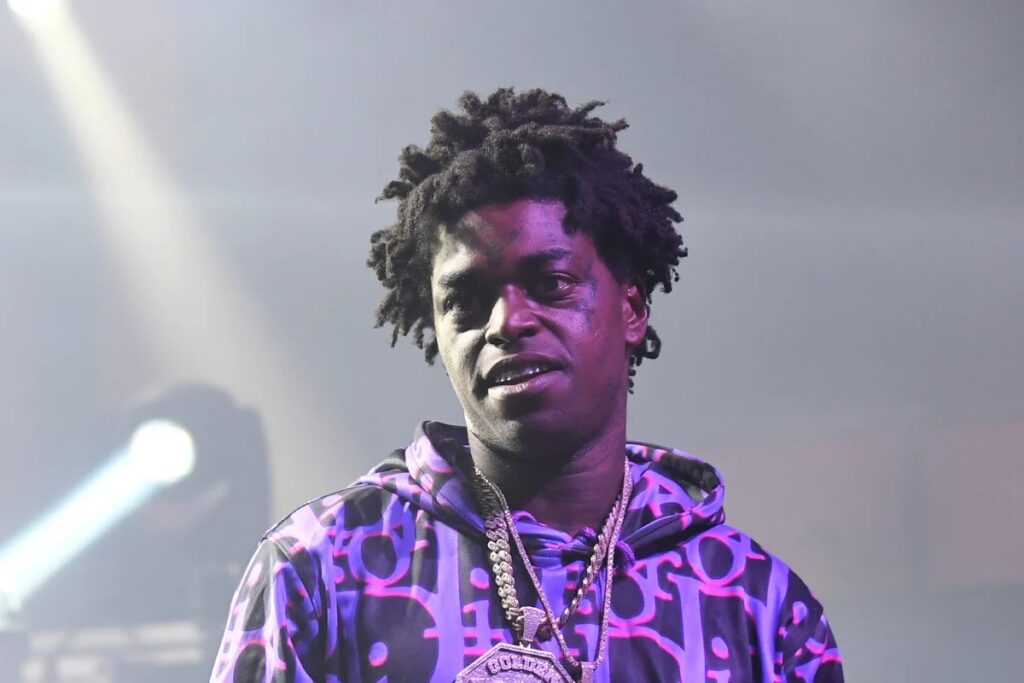
Kodak Black recently set the internet ablaze with a puzzling claim about a group he purportedly shares with Ye and Kendrick Lamar, calling it the KKK. Now, before you raise an eyebrow or dismiss it as another odd Kodak moment, let’s sift through the layers of what this could mean. While it may sound like a slip of the tongue or a bad joke gone wrong, this statement opens up a conversation about the intersection of hip-hop culture, identity, and the complex relationships that define the genre.
To truly grasp the weight of Kodak’s words, we need to rewind a bit. The KKK, an acronym heavily loaded with historical significance, conjures up images of racial terror and deep-rooted hate. So, when Kodak casually associates himself, Ye, and Kendrick with this acronym, it’s not just shocking; it’s a reminder of how loose language can be in hip-hop. Our culture often employs irony and shock value to provoke thought or garner attention, but this particular instance raises a critical question: at what point does that irony become irresponsible?
In the hip-hop community, artists like Kodak, Ye, and Kendrick are more than just entertainers; they are cultural icons who wield immense influence. When Kodak claims an alliance, even in jest, it unearths layers of camaraderie and competition that exist among these artists. This could represent a deeper bond among them, a collective consciousness that transcends their individual artistry. However, the choice of words, especially one so synonymous with oppression and violence, begs a larger discussion about the responsibilities that come with that influence. In an era where racial issues have been thrust into the spotlight, language becomes a powerful tool for change or a weapon of misunderstanding.
This isn’t the first time hip-hop has danced around dangerous rhetoric. Remember when Kanye West controversially stated slavery was a choice? Moments like these serve as flashpoints. They spark outrage but also highlight the importance of dialogue. The artists who rise to the top often do so by challenging norms, yet this can lead to misinterpretation or backlash. Kodak’s comments may seem outlandish, but they remind us that the line between humor and harm can be perilously thin in the realm of public discourse.
Looking ahead, this incident urges us to examine the conversations that need to take place within our community. Are we engaging with the younger generation about the power of their words? Are artists using their platforms to spark meaningful dialogue or merely opting for shock value? As we move forward, we must hold our giants accountable, while also encouraging them to harness their voices for solidarity, not division. The future of hip-hop hinges on artists understanding that their words carry weight. Let’s hope this moment serves as a catalyst for deeper understanding and responsibility within the culture.
About The Author