By Jasmine Reed, PowerVault Staff
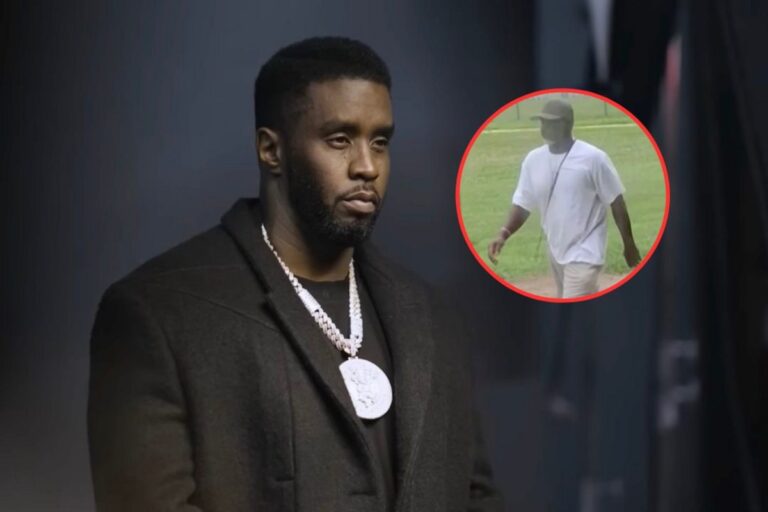
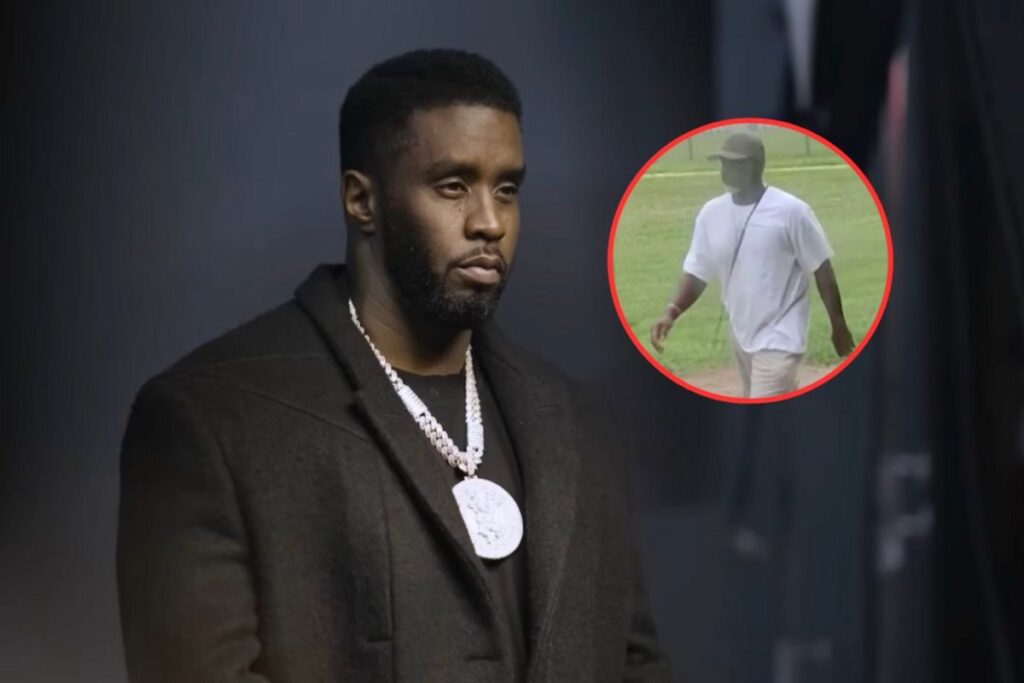
In an unexpected twist, Diddy has shared a video showcasing his daily walks at Fort Dix Prison. It’s a sight that brings together unlikely elements—an icon of hip-hop culture and a stark reminder of the realities faced by those behind bars. As he strolls through the prison yard, this visual narrative brings forth a medley of emotions and insights on the intricate relationship between fame, redemption, and the often-overlooked struggles within the Black community.
To understand the implications of Diddy’s video, one must first acknowledge the broader context surrounding incarceration in America, particularly in the Black community. The prison system has long been a contentious issue, with systemic inequalities contributing to disproportionate incarceration rates. Diddy’s choice to film at Fort Dix—a facility known for housing a significant number of Black and Latino inmates—adds a layer of urgency to the conversation about justice reform. It serves as a stark reminder that while some of us may walk the red carpet, many are confined to prison walls, fighting battles that have yet to see the light of day.
From PowerVault’s perspective, this moment is more than a social media post; it’s a cultural commentary. Diddy’s visibility in this context illustrates a growing trend among artists and influencers who are using their platforms to shine a light on social issues. This video could signal a turning point where personal branding intertwines with activism. For a generation that often grapples with the duality of success and systemic oppression, Diddy’s walk might resonate as an emblem of hope—a representation that while some have the privilege to walk free, they are still deeply connected to the struggles of their people.
Looking back, we see echoes of this sentiment in the actions of other artists who have dared to spotlight uncomfortable truths. Take J. Cole, for instance, who frequently addresses the toll of incarceration in his lyrics and public discourse. His track “4 Your Eyez Only” invites listeners into the lives of those affected by mass incarceration, creating a bridge between the artist’s success and the harsh realities faced by many. Diddy’s recent visual evokes a similar call to action—encouraging his audience to reflect on the broader implications of freedom and confinement.
As we move forward, it will be crucial to observe how Diddy harnesses the momentum from this moment. Will this be a catalyst for ongoing dialogue about prison reform and the rehabilitation of those who have served their time? Will he take this opportunity to amplify voices from within the prison system, perhaps even partnering with organizations that fight for justice? The music industry has often been a vehicle for change; whether Diddy’s walk leads to tangible results remains to be seen. What is crystal clear is that in the age of visibility, every step he takes in Fort Dix could echo far beyond its walls, urging us all to reconsider what it means to walk freely in a system designed to confine.
About The Author