By DeShawn Price, PowerVault Staff
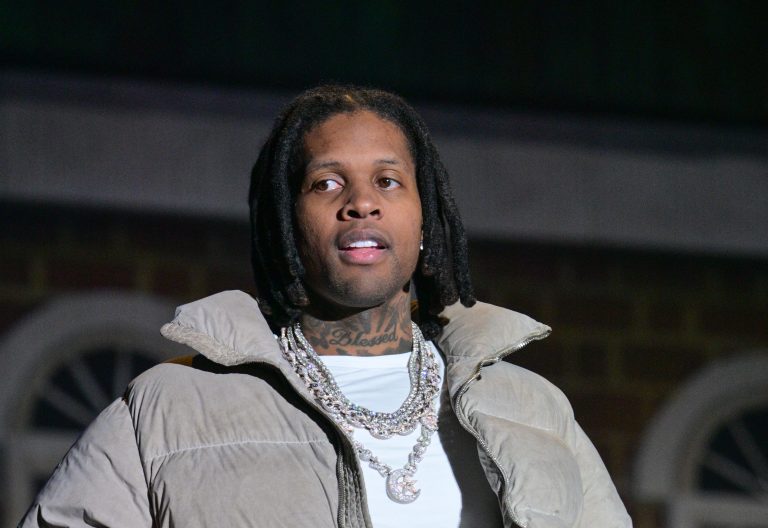
In a surprising turn of events, Lil Durk’s ongoing legal battle has taken a significant twist, igniting a fiery debate among fans and commentators alike. As the courtroom drama unfolds, supporters are left grappling with the implications of recent rulings, and once again, the conversation surrounding justice for Black artists is brought to the forefront. This moment serves as a reminder of the complexities that come with celebrity, artistry, and the law, especially for those hailing from our communities.
To fully grasp the weight of this situation, we need to rewind a bit. Lil Durk, a prominent figure in the rap scene known for his raw storytelling and lyrical authenticity, has faced various legal challenges throughout his career. These issues have often been tied to his upbringing in the streets of Chicago, where systemic inequalities and the struggles of his environment have shaped not just his life but his music as well. Each time he steps into the courtroom, it’s not just a personal battle; it symbolizes the larger fight many Black men face in a justice system that often seems rigged against them.
What’s crucial here is understanding how this impacts hip-hop culture and our community as a whole. Lil Durk’s trial isn’t just about one man’s freedom; it’s emblematic of the ongoing struggle for representation and equity in an industry that frequently capitalizes on our pain while simultaneously holding us to a different standard. The conversations sparked by this trial highlight the duality of being a Black artist in America — celebrated for talents yet scrutinized for choices. Fans passionately debating the outcomes aren’t merely spectators; they’re stakeholders in a narrative that intertwines art, justice, and identity.
Looking back, we can draw parallels to the experiences of other artists who have faced the court system while simultaneously building their legacies. Think about the late Tupac Shakur, whose legal troubles became part of his public persona. His experiences with the law, much like Durk’s, brought to light the complexities of fame and the criminal justice system’s treatment of young Black men. Both figures represent a generation grappling with systemic issues; they just happened to navigate their journeys in different eras, yet the undercurrents of their struggles remain strikingly similar.
As we look forward, it’s essential for all of us to keep a close eye on how this trial unfolds. How the legal system treats Lil Durk will likely influence not only his career but also the broader conversation about accountability, justice, and the treatment of Black artists in America. We need to ask ourselves: what does this ruling mean for those who come after him? The stakes are higher than ever — it’s about more than just one artist; it’s about how we as a community choose to stand up for our own and challenge systems designed to marginalize us. The outcome of this trial could very well set a precedent, and that’s something we cannot afford to overlook.
About The Author