By DeShawn Price, PowerVault Staff
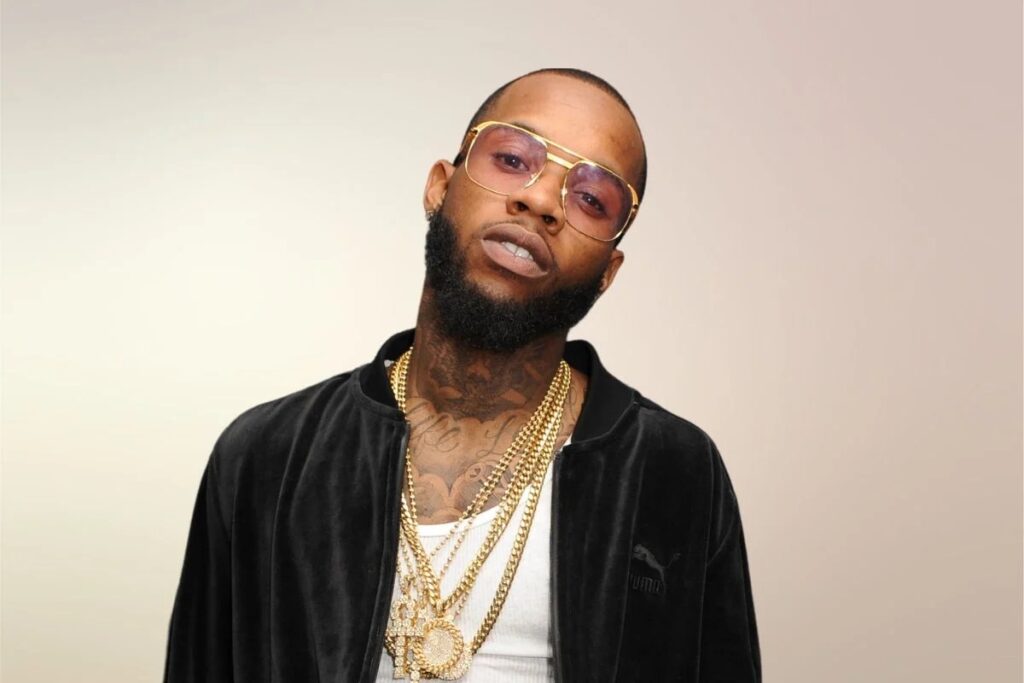
Tory Lanez has announced a surprise double album while still serving time, a bold move that raises eyebrows and invites conversation about artistry, accountability, and the complexities of the music industry. This 23-track project, divided into separate rap and R&B discs, will feature no guest appearances, seemingly an assertion of Lanez’s artistic independence even from within the confines of a prison cell. But the question that looms large is whether this artistic endeavor is a genuine expression of creativity or merely a strategic move to keep his name alive in the public discourse.
To truly understand the significance of this double album, we need to reflect on the events that led to Lanez’s incarceration. In December 2022, he was found guilty of shooting fellow artist Megan Thee Stallion, a case that not only polarized the music community but also drew attention to issues of gender violence and accountability in the industry. It’s a situation that has sparked outrage, discussions of misogyny in hip-hop, and a reckoning for many fans about whom they choose to support. Now, as he prepares to release new music, the echoes of his past actions hang heavy in the air, prompting listeners to question the ethics of celebrating an artist with such a controversial history.
From a cultural perspective, Lanez’s move to drop a double album while incarcerated directly taps into a longstanding tradition within hip-hop—artists using their hardships as fuel for their craft. Historically, many rappers have turned jail time into a narrative arc, transforming their struggles into anthems of resilience. However, there’s a critical difference here: Lanez’s situation isn’t one of mere struggle; it’s entwined with serious allegations that affect real lives. This album could easily be perceived as an attempt to overshadow the gravity of his actions, potentially trivializing the pain of victims and survivors of violence in the process.
Looking back, this moment feels strikingly reminiscent of the controversy surrounding R. Kelly. Even as allegations mounted against him, Kelly continued to release music, and a significant portion of the fan base remained loyal. Just as with Lanez, the discourse around Kelly was deeply complicated by his artistry, leaving many to wrestle with the question: can we separate the artist from the art? As we know now, this kind of enabling can have dire consequences, both for the individuals involved and for the community at large. Artists must be held accountable for their actions, and while their music can evoke empathy, it should not absolve them from the repercussions of their behavior.
As we await the release of Lanez’s new project, we must remain vigilant. We’ll have to consider what this means not only for him but for the industry’s approach to accountability. Will this album reignite discussions about the ethics of listening to music from problematic artists? Will it lead to a backlash or a rallying of support? The larger conversation revolves around how we, as a community, choose to navigate the intersection of artistry and accountability. In the end, the hope is that we can find a way to uplift the voices of those who deserve to be heard while not ignoring the deeper issues at play, fostering a culture that values respect and responsibility.
About The Author