In the world of spirits, where whiskey is steeped in history and often draped in nostalgia, Uncle Nearest stood as a beacon of Black excellence and entrepreneurial spirit. Founded by Fawn Weaver, the brand emerged not just as another bourbon on the market, but as a celebration of Nathan ‘Nearest’ Green, the first-known African American master distiller. Uncle Nearest carved out a narrative steeped in heritage, reclaiming a legacy that had long been shrouded in the shadows of mainstream Americana. But like many tales of Black-owned businesses striving to break through the noise in a predominantly white industry, Uncle Nearest has faced its share of challenges, revealing the complexity and harsh realities of success in today’s economy.
The bourbon industry was ripe for disruption, and Uncle Nearest ignited a revolution, capturing the hearts and palates of whiskey lovers while highlighting the often-ignored contributions of Black distillers. Yet, as exhilarating as that rise has been, it’s crucial to acknowledge the sobering setbacks that have come with it. The scrutiny that envelops Black-owned businesses is unrelenting; every misstep is magnified, every challenge becomes a headline. And while it’s essential to champion our successes, it’s equally important to scrutinize our struggles openly, dismantling the myths that cling to the narrative of Black entrepreneurship. Failure is a part of the journey, and it shouldn’t define us or be seen as an indictment of our ability to succeed.
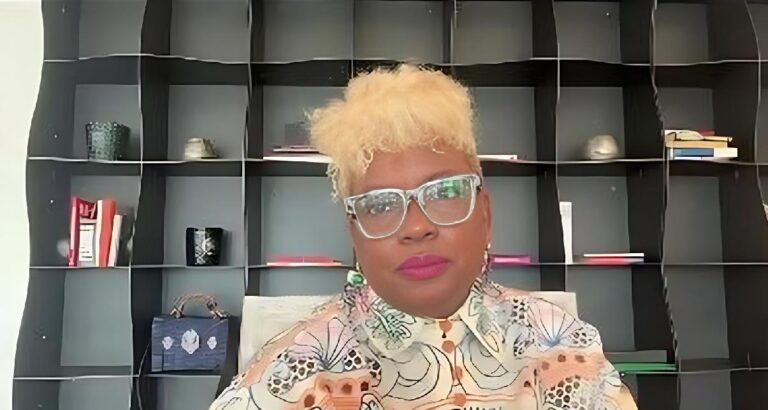
Fawn Weaver’s dedication to honoring her brand’s lineage and the responsibility that comes with it is commendable, yet even the strongest of spirits can falter. Reports of operational hurdles and mismanagement have surfaced, creating a ripple of concern within the community that once rallied behind Uncle Nearest. For those who invested their trust and resources into this brand, it’s a stark reminder that even the most promising ventures can stumble, regardless of the race or background of the individuals behind them. It serves as a crucial conversation piece about how the weight of representation impacts not just the businesses we support, but the expectations we place upon them.
The narrative surrounding Uncle Nearest isn’t merely about a bourbon brand; it’s a microcosm of the larger struggles faced by Black entrepreneurs in an industry that often doesn’t play fair. It underscores a vital truth: success and failure are part of the same ledger. We must celebrate our wins, but we must also learn from our losses. When we look at the challenges faced by businesses like Uncle Nearest, we should use them as a lens to understand the systemic inequities that persist, while also nurturing a culture of resilience that allows us to rise stronger.
As we raise our glasses to toast the legacy of Nathan Green and his impact on bourbon, let’s also commit to fostering a supportive environment for those who dare to follow in his footsteps. Uncle Nearest, with all its sips and stumbles, reminds us that the journey of Black heritage in business is a collective one — a testament that our stories, both sweet and bitter, deserve to be told.
About The Author