By Tanya Brooks, PowerVault Staff
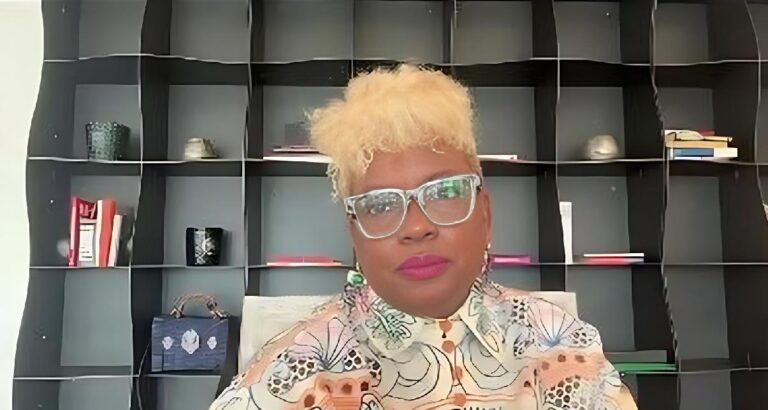
Today’s entertainment news cycle has thrown a spotlight on a few figures who evoke a range of emotions and conversations within our community. Mo’Nique, known for her no-holds-barred approach, is back in the headlines due to past comments on Tiffany Haddish that have resurfaced following her recent interview with Don Lemon. Meanwhile, the legacy of Tito Jackson has been thrust into the spotlight once again, raising eyebrows about his personal life posthumously. And let’s not forget about Trinity, the winner of ‘Love Island USA,’ who seems to be rewriting social media narratives with her newfound fame. Each of these stories reveals how our culture processes celebrity and the complexities of Black identity within that realm.
Let’s rewind a bit. Mo’Nique has always been a polarizing figure, especially when it comes to her outspoken views on the industry and her peers. Her criticisms of Tiffany Haddish, which she previously framed as an honest conversation about authenticity versus commodification in comedy, are being re-examined through a contemporary lens. In today’s world of social media soundbites, the nuances of those conversations can easily turn into fodder for public opinion, often stripping away the depth and context of the original remarks. It’s crucial to recognize that these discussions are not just about who said what but about the systemic pressures Black artists face when trying to carve out their space in Hollywood.
The resurfacing of Mo’Nique’s comments signals a larger conversation about the expectations placed on Black women in entertainment. The industry often pits artists against each other, feeding into a narrative that suggests there can only be one queen on the throne. This has implications not just for the individuals involved, but also for how we consume and critique Black art. The conversations ignited by Mo’Nique and Tiffany go beyond mere personality clashes; they touch on the broader themes of competition, support, and solidarity within the Black community. It’s a reminder that as we uplift our artists, we must also protect them from becoming pawns in a game that thrives on division.
Comparatively, this moment feels reminiscent of the public scrutiny faced by other Black artists in the past, such as the long-standing feud between Lil’ Kim and Nicki Minaj. Both women were subjected to a relentless media narrative that painted them as adversaries rather than allies, fueling a culture of comparison that detracts from their individual artistry. It’s a cycle that needs to be disrupted. We should be lifting one another up, celebrating the diverse ways in which our experiences can manifest in art, rather than allowing societal structures to drive wedges between us.
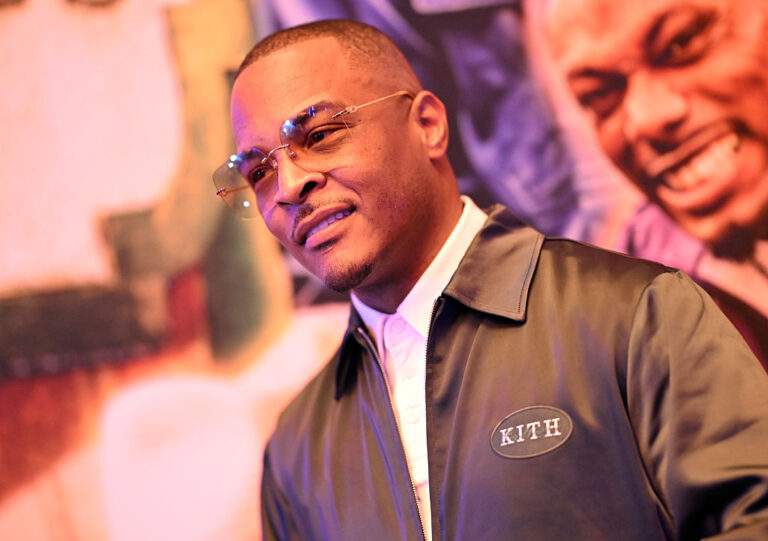
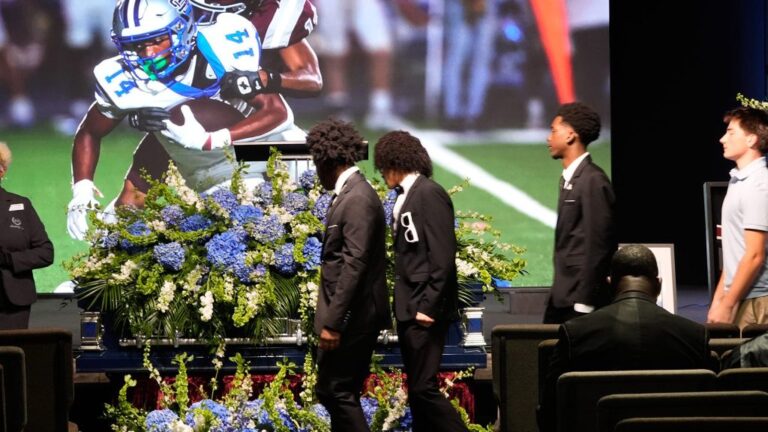
In the case of Tito Jackson, his recent posthumous discussion about his love life only adds another layer of complexity. The Jackson family has long been a symbol of Black excellence and talent, but it also carries the weight of familial strife and public scrutiny. Discussions around Tito’s relationships invite us to reflect on the human experiences behind the celebrity personas—how love, betrayal, and family dynamics play out in the shadows of fame. It’s a reminder that while we celebrate their contributions to music and culture, they too carry burdens and complexities that deserve our empathy.
As we look ahead, it’s essential to keep a close watch on how narratives unfold for these artists and others like them. With the power of social media, the stories we tell can change in an instant, and the discourse can shift from supportive to sensationalized. The bigger picture here is not just about individual artists but about the collective identity we build around Black culture in entertainment. Moving forward, let’s strive to foster an environment where our artists can thrive without the weight of public scrutiny dictating their worth or relationships. There’s a lot at stake, and it’s time we elevate our conversations to match the brilliance of our culture.
About The Author